

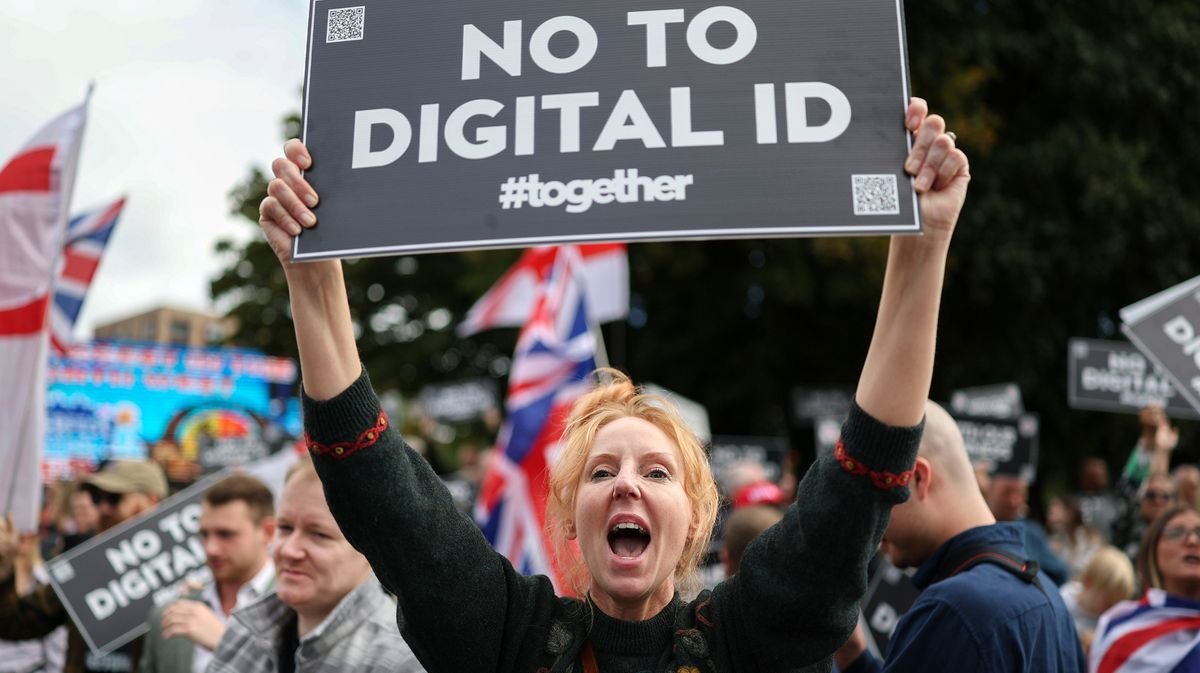

Keir Starmer is reportedly planning to reduce the scope of digital identification plans following significant public opposition. The contentious initiative is expected to be scaled back upon its launch in 2029. According to The Times, alternative digital identity cards will be allowed for verifying the right to work.
Despite the adjustments, the Government asserts that the project will not be completely abandoned. This decision follows a widespread backlash, with nearly three million individuals signing a petition against it. Initially, Government-issued digital ID cards will not be mandatory, allowing individuals to use electronic visas and passports instead.
Lib Dem Cabinet Office spokeswoman Lisa Smart criticized the proposal, highlighting concerns about its potential cost and ineffectiveness. She suggested redirecting the funds allocated for the digital ID scheme towards the NHS and frontline policing.
Government insiders expressed worries that enforcing mandatory use could lead to exclusion and practical issues. A source mentioned in The Times stated that stepping back from mandatory requirements would address a major point of contention.
The government maintains its commitment to mandatory digital right-to-work checks, emphasizing the need for a more secure and efficient system. A spokesperson stated that details about the digital ID scheme would be outlined after a comprehensive public consultation.
Keir Starmer previously argued that the project aimed to address illegal immigration issues by enhancing identification processes. A consultation will be launched soon to gather feedback on the revised plans. In November, MPs raised concerns about the flawed implementation of the digital ID policy, labeling it as “irrecoverable.”
Silki Carlo from Big Brother Watch expressed skepticism about the motives behind the mandatory digital ID, questioning its true purpose and potential future implications. She suggested that the government’s handling of the announcement may have long-lasting repercussions.