

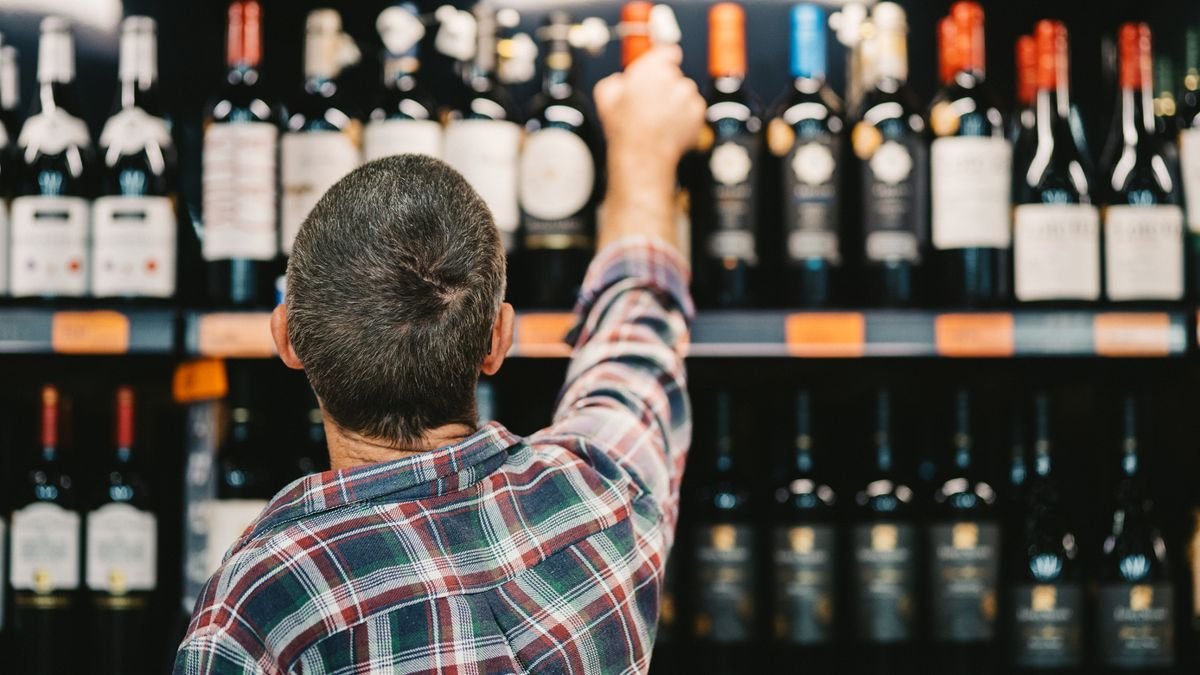

Britons are being cautioned that they will see an increase in prices for their preferred alcoholic beverages starting today due to a new tax hike, following the conclusion of Dry January.
Alcohol duty has gone up by 3.66%, aligning with RPI inflation. This adjustment translates to an additional 11p for a bottle of Prosecco with 11% alcohol by volume (ABV), 14p for a bottle of red wine with 14.5% ABV, and 38p for a bottle of gin with 37.5% ABV, as reported by the Wine and Spirit Trade Association (WSTA).
The decision to raise the duty was confirmed in the previous year during the Autumn Budget. Industry leaders in wines and spirits have expressed that businesses are compelled to raise prices to sustain their operations.
In the preceding year, consumers faced a 3.6% increase in alcohol duty, leading to a 54p rise in the cost of wine and a 32p increase for gin, while draught duty saw a reduction of 1.7%, equivalent to a penny off a pint.
Simultaneously, a new tax system was introduced where wine taxation is determined by its alcohol strength. WSTA highlighted that the tax on a bottle of 14.5% red wine has surged by £1.10 since the revised alcohol duty regime was implemented in August 2023.
Alcohol duties are somewhat correlated with the potency of beverages. Several beer brands, including Foster’s, Carlsberg, Coors Light, and Sol, have recently lowered their alcohol content to mitigate expenses.
Martyn James, a consumer rights expert, expressed disappointment, stating, “Is there a crueler irony than alcohol duty rising just as Dry January ends? For those of us striving to moderate our alcohol intake, this increase is disheartening.”
Emma McClarkin, the chief executive of the British Beer and Pub Association, voiced concerns about further price escalations due to the recent changes, emphasizing the potential strain on brewers and publicans.
Miles Beale, CEO of WSTA, highlighted the complexities brought by price fluctuations, particularly for wine now taxed based on strength, adding to the administrative burdens faced by businesses in the sector.
A Treasury spokesperson defended the alcohol duty increase, emphasizing its role in maintaining robust public finances supporting essential services.
The following data, provided by WSTA, illustrates the prices prior to the alcohol duty rise and the new costs of these beverages effective today.