

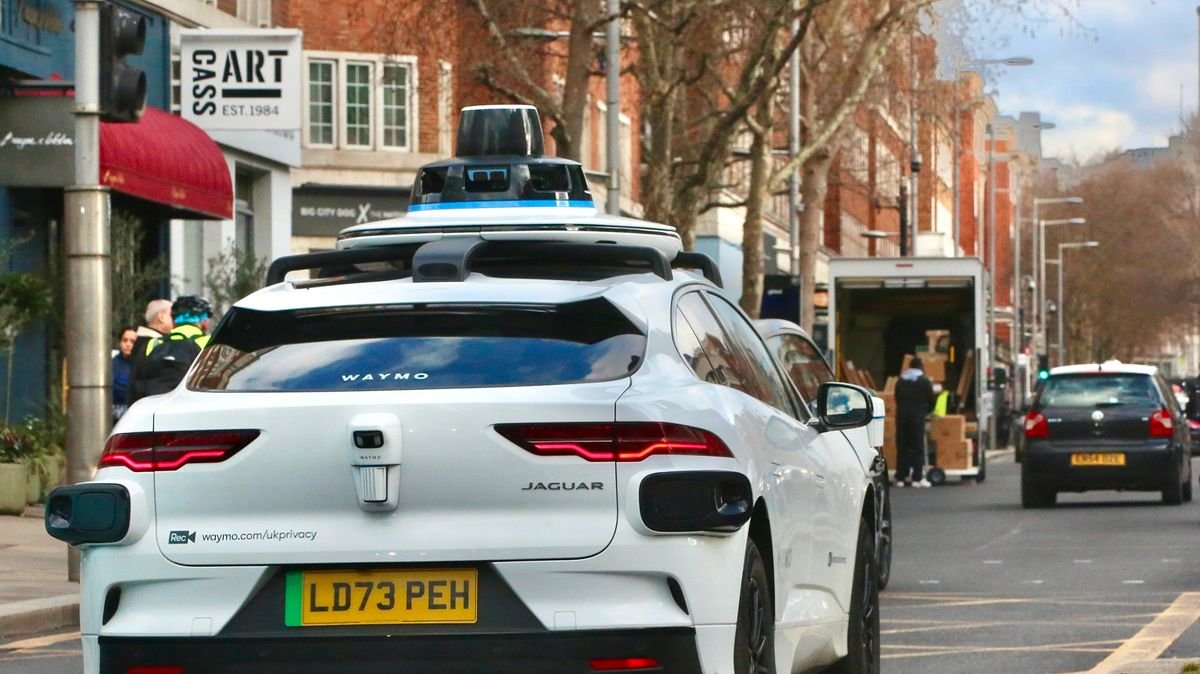

An upcoming fleet of autonomous taxis is set to hit the roads in the UK starting this autumn. Waymo, a US-based company, has revealed its plans to introduce a fully self-driving taxi service in London by the end of this year. The Mirror was granted an exclusive preview of Waymo’s AI-equipped autonomous cabs, known as robotaxis, which are currently undergoing testing on the streets of the capital.
Waymo is awaiting official safety clearance before commencing passenger pickups. As a subsidiary of tech giant Google, Waymo asserts that its advanced technology can significantly reduce traffic accidents, as well as injuries to pedestrians and cyclists.
Despite the anticipated convenience, fares for Waymo’s autonomous taxis are expected to be higher compared to traditional human-driven Uber and black cabs. The company targets individuals who prefer the safety and privacy offered by autonomous vehicles, particularly during nighttime journeys.
Nicole Gavel, Waymo’s senior director of business development and strategic partnerships, aims for the company to become the most trusted driver globally. She emphasizes the potential for enhancing road safety through their technology and describes riding in their cabs as a “magical experience.”
While the exact size of the London fleet remains undisclosed, Waymo currently operates 1,000 vehicles in San Francisco and 700 in Los Angeles. The company does not rule out expanding its self-driving cab services to other cities and towns across the UK in the future.
In a competitive move, Uber is also piloting robotaxis in London. Waymo assures that its sophisticated vehicles are equipped to handle the diverse driving conditions in the UK, from complex road networks to inclement weather.
Waymo’s cutting-edge technology constantly monitors the surroundings of the vehicle and can anticipate unforeseen events, such as pedestrians stepping out from obstructed viewpoints. According to Ben Loewenstein, head of policy and government affairs for Waymo in the UK and Europe, the technology offers an exceptional level of perception.
The autonomous technology developed by Waymo will be integrated into a fleet of electric Jaguar I-Pace cars. Despite the company’s enthusiasm, skepticism remains among some industry insiders. Steve McNamara, general secretary of the Licensed Taxi Drivers’ Association, questions public trust in fully automated systems for transporting passengers.
Andy Prendergast, GMB national secretary, has raised concerns about the social implications of driverless vehicles and taxis, emphasizing the potential impacts on employment that need careful consideration.
Notably, Tesla’s self-driving software has been involved in various incidents in the US, including fatal accidents. Waymo’s initial London taxis boast a plush and high-tech interior design, although they are currently stationary during testing phases. The vehicles feature advanced technology and amenities, providing passengers with a unique experience.
As the testing progresses, the transition from human-operated to fully autonomous driving systems will mark a significant milestone for Waymo. The company and its competitors are optimistic about the adoption of autonomous technology in the UK, mirroring the success seen in American cities. The public response and willingness to pay premium prices for driverless transportation services remain to be seen.