

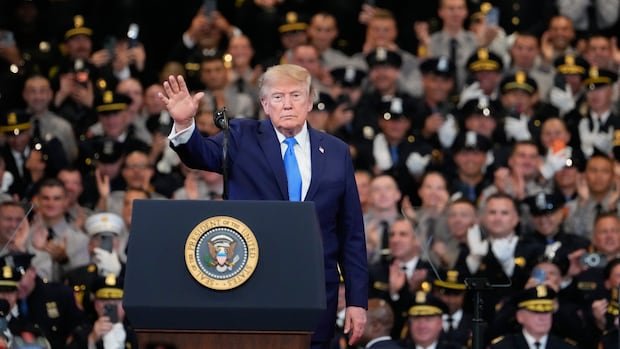

President Trump urged Americans to accept slightly higher gasoline prices as a necessary measure to prevent Iran from acquiring nuclear weapons. He announced plans to declare the Strait of Hormuz as U.S. territory. These statements highlight the political risks Trump faces as increased fuel costs clash with his promise to reduce energy expenses, with Democrats aiming to capitalize on the economic impacts of a potential conflict with Iran in the upcoming midterm elections.
During a speech in Garden City, N.Y., Trump emphasized the importance of paying a bit more for gasoline to ensure that a “very evil country” does not obtain nuclear capabilities. He defended his administration’s actions, stating that they are serving the greater good and that he stands by his decisions regarding Iran.
Approximately 20% of global oil and LNG shipments pass through the vital Strait of Hormuz, leading to concerns about potential disruptions and subsequent oil price hikes. Trump’s statement about declaring the Strait as U.S. territory raised questions about the seriousness of his remarks and whether they indicate a shift in policy.
In response to Trump’s comments, Iran’s Deputy Foreign Minister Kazem Gharibabadi dismissed the notion that the strait could be controlled through tweets or military actions, asserting Iran’s authority over the strategic waterway. The situation in the Strait of Hormuz remains a significant concern for global energy markets as oil prices surge, with Brent crude nearing $90 a barrel and U.S. gasoline prices reaching around $4 per gallon.