

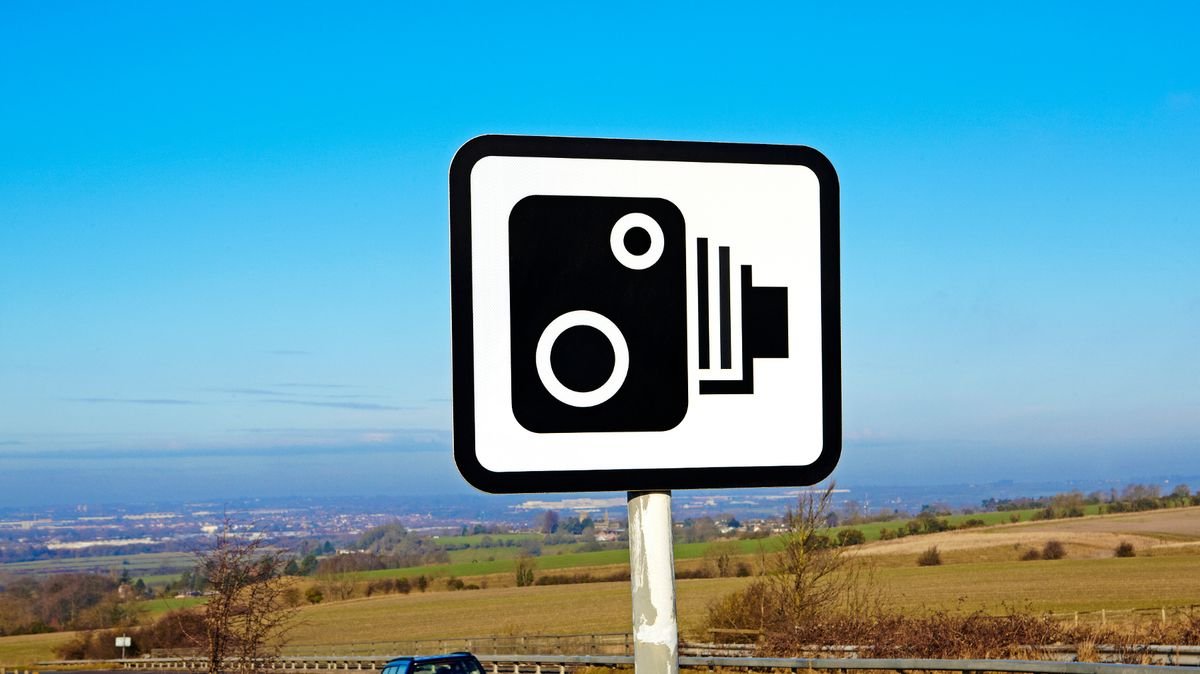

Thousands of motorists may have their speeding convictions nullified due to an ongoing issue with variable speed cameras. Transport Secretary Heidi Alexander has initiated an independent review to address the errors that led to incorrect enforcement actions against numerous individuals for speeding violations. This development follows recent reports of numerous speeding cases being dismissed after the discovery of problems with variable speed cameras on smart motorways and certain A-roads.
According to Hugh Bladon, a senior spokesperson for the Association of British Drivers, there have been cases of unjust penalties imposed on individuals, highlighting a significant miscarriage of justice. The financial implications for the government are expected to be substantial and resolving the situation will pose a major challenge. The potential consequences of losing a license and job due to faulty speed cameras are profound.
In addition to refunding the fines, individuals wrongly cited for speeding may be eligible to reclaim expenses incurred, such as increased insurance costs, if they can demonstrate additional losses. Bladon emphasized the complexity of compensating those who have suffered job loss due to unfair license suspension, underscoring the large number of individuals unjustly penalized for innocuous actions.
It is estimated that around 154 cameras were impacted by the malfunction between 2021 and 2021, prompting National Highways, a government entity, to conduct a thorough retrospective search dating back to 2019 when camera upgrades commenced. The issue stemmed from a timing discrepancy between electronic gantry signs displaying altered speed limits and the cameras registering these changes. The delayed response of the cameras, around 10 seconds behind the gantry signs, resulted in drivers being caught exceeding the previous speed limit despite complying with the updated one.
The problem was brought to light when drivers provided dashcam footage proving their adherence to the displayed speed limits. At one point, the seriousness of the issue led authorities to deactivate certain cameras due to reliability concerns, resulting in the cancellation of numerous speed awareness courses by law enforcement agencies.
The review, spearheaded by Department for Transport board member Tracey Westell, aims to investigate the root cause of the fault, why it went unnoticed for an extended period, and how similar issues can be prevented in the future. Legal experts have cautioned that the scandal could entail substantial compensation costs for taxpayers. Philip Somarakis, a prominent criminal and regulatory lawyer, welcomed the independent review, expressing concerns about the prolonged enforcement issues related to variable speed limits and the need to identify potential systemic failings.
A Department for Transport spokesperson stressed the importance of ensuring public trust in road technology by conducting a thorough examination of how the anomaly occurred, how it was addressed, and what measures are necessary to prevent its recurrence. Last month, the DfT confirmed that affected drivers would receive direct communication from relevant police forces for reimbursement and removal of any license points associated with the erroneous speeding convictions.