

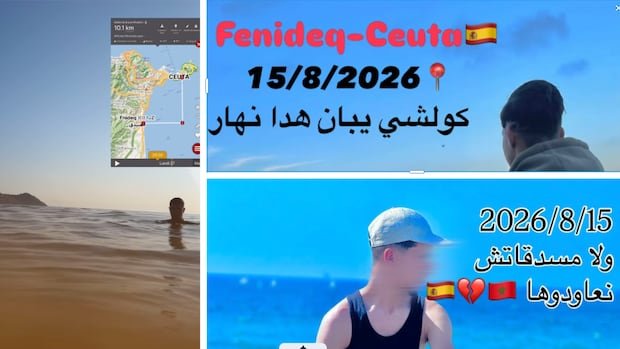

In the lead-up to the recent significant influx of migrants into Europe, a brief video shared on Instagram went viral, accumulating 1.4 million views. The video depicted a young man partially submerged in water with a map illustrating a sea route from Fnideq, Morocco, to Ceuta, a Spanish enclave in Africa. The account holder claimed “we’ve arrived” in response to comments.
Numerous posts on platforms like Instagram and TikTok played a role in organizing two waves of irregular migration from Morocco to Ceuta. These posts, part of various online communities focusing on migration-related culture, utilized music, memes, and imagery to attract mostly African and Middle Eastern youth seeking better opportunities abroad.
While there is debate among authorities and organizations regarding the orchestrator of the events in Ceuta, it is evident that misinformation spread by multiple online communities fueled the migration surges during the summer. The surge was initially triggered by false information suggesting that Spain would no longer reject migrants arriving by sea due to a court ruling.
The impact of the misinformation was profound, with over 72,000 individuals crossing the border on July 30, leading to a strain on authorities in Ceuta and sparking a political crisis in Europe. Despite most of the migrants returning to Morocco, around 5,000 individuals remain in Ceuta, with some residing on a beach with support from charities. Tragically, nearly 100 people lost their lives attempting the crossing.
Social media accounts directed followers to WhatsApp chats for planning crossings and provided guidance on reaching Ceuta. Some accounts even offered advice for a fee. Platforms like Meta and TikTok agreed to fact-check posts following the events on July 30 to combat criminal organizations exploiting migrants through misinformation.
Before the attempted crossing on August 15, a new wave of posts emerged, hinting at another opportunity to enter Spain. Many of the accounts involved in the July 30 events resurfaced, alongside new accounts created in anticipation of August 15. The messages circulating online suggested that “everything will become clear” on that day.
On August 15, authorities from Morocco and Spain were prepared, deploying thousands of police to the border and making several arrests. The government had been monitoring social media posts encouraging the crossing and vowed to take action against those responsible.
The surge in social media activity was influenced, in part, by the success of previous migrant crossings into Ceuta and an increase in migration through this entry point earlier in the year. While social media played a role in shaping misinformation, the desire to migrate was already present among disillusioned youth in North Africa and beyond.
Accounts promoting migration-related messaging often originate from North African countries like Morocco and Algeria. These accounts use aspirational images and language to appeal to individuals facing challenges like high unemployment and political disenfranchisement. The response to these posts highlights the desperation felt by many seeking better opportunities.
The online content often alludes to European destinations without explicitly offering passage, using symbols like flags and landmarks to convey a sense of hope and opportunity. Despite efforts to fact-check and monitor social media activity, the allure of migration persists for many individuals seeking a better future.
Influencer-style accounts with themes of departure and opportunity attract thousands of followers, showcasing images and messages related to migration. Despite attempts to contact accounts involved in the migrant waves, responses were not received.