

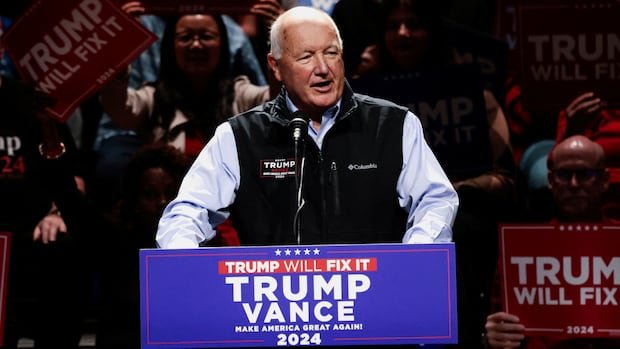

The conduct of the U.S. ambassador to Canada has caused significant discontent among many Canadians. A petition signed by over 225,000 Canadians urges the House of Commons to declare Pete Hoekstra persona non grata, a rare diplomatic measure to expel an ambassador. While former Canadian diplomat Jeremy Kinsman believes Hoekstra’s behavior falls short of warranting such action, he criticizes the ambassador’s delivery of contentious messages. The Trump administration’s approach, channeled through representatives like Hoekstra, has strained relations, with Hoekstra expressing frustration and grievances towards Canada in a manner that Canadians find perplexing.
Kinsman emphasizes the importance of separating the message from the messenger in diplomacy. He highlights the need for ambassadors to explain the context of their statements to the public, a practice he believes Hoekstra fails to uphold. Comparisons are drawn to past instances of diplomatic tensions, such as the behavior of the former Chinese ambassador to Canada. The rise of what Kinsman terms “wolf warrior” diplomacy among U.S. ambassadors is noted, leading to strained relations and negative perceptions in host countries.
The article also touches on the controversial actions of other U.S. ambassadors, such as Charles Kushner in France and Bill White in Belgium, who have faced criticism for their statements and conduct. The absence of ambassadors in key diplomatic posts globally is highlighted, with concerns raised about the reliance on special envoys like Jared Kushner and Steve Witkoff for critical foreign affairs negotiations. This shift bypasses traditional diplomatic channels, limiting the involvement of experienced diplomats in crucial decision-making processes.
The trend of appointing politically affiliated individuals to diplomatic roles, coupled with the increasing vacancies in ambassadorial positions, raises concerns among diplomatic professionals about the effectiveness and transparency of U.S. foreign policy efforts.