

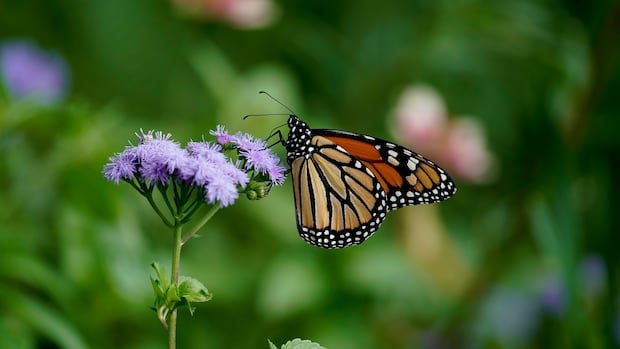

MaryAnn Lepp observed a notable increase in monarch butterflies undergoing metamorphosis in her garden, with 20 caterpillars feeding on her swamp milkweed in just one day. This surge in backyard milkweed patches in the Prairie region of Canada has captured the attention of numerous monarch enthusiasts, including Lepp in La Broquerie, located about 60 kilometers southeast of Winnipeg.
The rise in caterpillars, chrysalises, and monarch butterflies has been documented by butterfly enthusiasts on social media platforms such as the Manitoba Monarch Mission. While experts cannot definitively attribute this phenomenon to favorable weather conditions, the abundance of these majestic creatures bodes well for the federally endangered species known for their remarkable annual migration between Canada and Mexico.
Marika Olynyk, curator of the Living Prairie Museum, noted a significant presence of monarchs in Winnipeg, with consistent sightings of caterpillars, chrysalises, and butterflies throughout the summer. The museum’s tall grass prairie preserve, showcasing native plants that pollinators favor, including various milkweed species, has been a hotspot for monarch activity.
Although monarch butterflies primarily feed on nectar from milkweed flowers, they can also draw sustenance from other flowering plants. However, during the caterpillar stage, monarchs exclusively consume milkweed leaves. Despite efforts by individuals like Lepp to plant milkweed and native wildflowers, these habitats are still not as abundant or widespread as they once were due to the conversion of native grasslands into agricultural land.
Habitat loss remains the most significant threat to monarch populations, emphasizing the urgent need for conservation efforts. The decline in tallgrass prairies across North America reflects the broader issue of species and habitat loss, with monarch butterflies serving as a poignant symbol of this ecological challenge.
In response to mounting concerns, the Committee on the Status of Endangered Wildlife in Canada officially classified monarchs as endangered in 2016. Efforts to protect these iconic butterflies have intensified, with legal protections now in place to safeguard them at all stages of development on federal lands.
While monarch populations have shown positive signs of recovery, challenges persist, as indicated by the ongoing conservation efforts at the Assiniboine Park Zoo. The zoo’s conservation programs manager, Laura Burns, highlighted the precarious status of the Poweshiek skipperling, a critically endangered butterfly teetering on the brink of extinction.
Through breeding and release programs, the zoo aims to bolster Poweshiek skipperling populations and prevent their extinction. Encouraging signs of progress have emerged, with increased sightings of Poweshiek skipperlings in previously unexplored areas, signaling a potential path towards recovery.
In light of these developments, ongoing research and conservation initiatives are vital to safeguarding these fragile butterfly populations. The collaborative efforts of wildlife organizations and dedicated individuals are crucial in preserving these iconic species and their natural habitats for future generations to admire and cherish.