

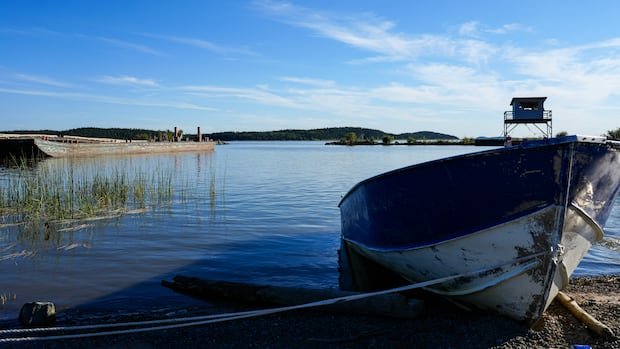

After numerous requests from community members spanning more than twenty years, a federally funded examination will commence to assess the health impacts of the oilsands on residents of Fort Chipewyan, an Indigenous community in northern Alberta. Many residents in the community, situated over 200 kilometers north of Fort McMurray, have long suspected a connection between cancers in Fort Chipewyan and the industrial activities upstream along the Athabasca River.
Imperial Oil’s Kearl mine, where a 5.3-million-liter wastewater spill occurred in 2023, is approximately 140 kilometers away from Fort Chipewyan. The closest project, Suncor Energy’s Fort Hills mine, is situated over 90 kilometers away.
The upcoming study will involve analyzing both current and historical health data, studying local disease patterns, and monitoring both the residents and the environment. Additionally, researchers will investigate how environmental changes impact the community’s culture and daily life.
Ruby Ladouceur, president of the Fort Chipewyan Métis Nation, emphasized the importance of seeking answers without assigning blame. The study, named Project Monument Hill, will be conducted by third-party researchers under the supervision of the Métis Nation, the Athabasca Chipewyan First Nation (ACFN), and the Mikisew Cree First Nation (MCFN), with the federal government in an observing role.
The study, which was announced by the federal government in August 2024 and received initial funding for the planning and governance phase in March, is set to span ten years and cost $12 million. Ladouceur highlighted that the methodology of the study will combine western scientific approaches with Indigenous knowledge of the land to understand the interplay between environmental conditions, traditional land use, and the health of the community.
Currently, Alberta does not maintain specific cancer statistics for rural areas like Fort Chipewyan within the Regional Municipality of Wood Buffalo (RMWB) and other parts of northern Alberta. Previous reports have raised concerns about the methodologies used and the time taken to conduct in-depth health studies in Fort Chipewyan.
Dr. John O’Connor, a vocal advocate for investigating cancer cases in Fort Chipewyan since 2006, expressed satisfaction with the upcoming study but stressed the importance of a more expedited timeline due to the pressing health concerns in the community. Previous reports have highlighted elevated cancer rates in Fort Chipewyan compared to the rest of Alberta and the presence of industrial contaminants in local flora and fauna. Leaders in Fort Chipewyan have criticized past reports for not being comprehensive enough in addressing community health concerns.