


In the early hours of Monday, March 2, an incident of assault occurred involving an Edmonton transit rider at Churchill Station while en route to the Valley Line LRT.
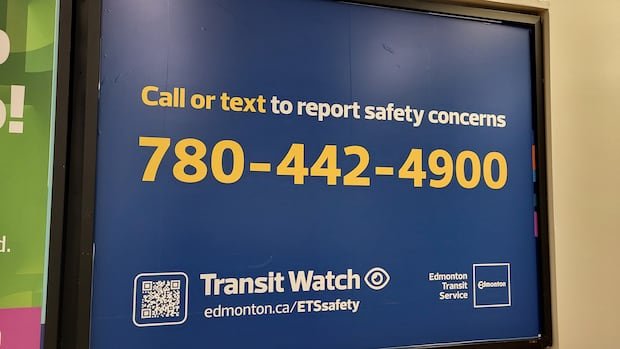
The rider, who was physically attacked, shared details of the assault in a text message sent to Transit Watch, the safety reporting line of Edmonton Transit Services, later that same day. The rider explained the delay in reporting the incident was due to the immediate desire to leave the area and return home.
On the same day, Transit Watch received multiple reports from riders regarding various safety concerns, including harassment, open drug use, drug transactions, setting fires at bus stops, and individuals brandishing lighters within transit premises.
Despite ongoing efforts by the City of Edmonton to enhance public transit safety by increasing the presence of peace officers and police, expanding outreach teams, and investing in cleaning and security enhancements, text messages received by Transit Watch earlier this year indicate persistent worries among riders regarding safety on the transit system.
CBC News obtained records of text messages exchanged between mid-February and mid-March through a request under the Access to Information Act. These documents, comprising over 200 pages of reports and responses from control center staff, revealed daily reports from across the city.
Drug-related issues emerged as a primary concern among the reports, with many highlighting instances of drug use and smoking at LRT stations, bus stops, and pedways. Riders expressed frustration and discomfort with encountering illegal drug activities and volatile individuals during their commutes.
Observations of meth, crack, and fentanyl usage on transit property, along with incidents of harassment and verbal abuse towards passengers, were commonly reported. Concerns also extended to witnessing drug transactions, discovering drug paraphernalia, and encountering disruptive behaviors such as public urination and aggressive behavior.
One rider recounted a disturbing incident of finding a used condom inside a ticket machine at Davies Transit Centre, raising safety apprehensions.
Other reported incidents included blood stains at Belvedere Transit Station, fires within transit areas, broken glass, altercations on LRT trains, and threats of violence at MacEwan LRT station.
Frequent transit user Katarina Hamilton disclosed her monthly communication with Transit Watch, citing instances of disruptive behaviors like blocking entrances and setting fires during late-night and early-morning hours. She recalled a past altercation involving weapons at Central Station, which prompted her to report the incident to both Transit Watch and the police due to safety concerns for herself and nearby children.
Hamilton emphasized the importance of having more peace officers and surveillance cameras on buses to enhance the overall safety of the transit system.
Despite efforts by Edmonton Transit Services to gauge rider perceptions of safety through surveys, the percentage of riders feeling safe during their last transit trip remained stagnant at 61% in 2025, reflecting a challenge in altering safety perceptions in the short term.
Carrie Hotton-MacDonald, branch manager at ETS, acknowledged the complexity of factors influencing safety perceptions and noted an increase in texts to Transit Watch during colder months, coinciding with higher ridership and promotional activities surrounding the safety reporting line.
Data from the Edmonton Police Service revealed a rise in police responses to violent incidents at LRT and transit center locations from 292 times in 2024 to 307 times in 2025, with lower call volumes reported in the current year.
To address safety concerns, ETS is implementing various initiatives, including the addition of 30 peace officers and an eighth community outreach team. Hotton-MacDonald detailed upcoming measures to enhance transit safety, such as providing cellular connectivity in LRT tunnels, increased outreach efforts, travel training support, and infrastructure upgrades at stations.
City Councilor Anne Stevenson highlighted ongoing efforts to prioritize transit safety, mentioning initiatives like pop-up events at downtown LRT stations by the Edmonton Arts Council and the potential introduction of safety attendants to bolster security measures.
Stevenson acknowledged persistent challenges stemming from underlying social issues and expressed support for recent provincial funding aimed at housing and drug treatment programs.
Discussions on public transit drug use with CBC News featured Councilor Jon Morgan, who suggested that individuals without stable housing or access to addiction treatment might resort to using drugs on public transit for visibility and potential assistance in case of emergencies.
David Cooper, a principal at Leading Mobility Consulting specializing in transit planning, emphasized the need for sustained support from government partners to address safety concerns on public transportation effectively. Cooper highlighted the importance of continuous investment in staffing, infrastructure improvements, and collaborative efforts to combat social disorder issues.
In conclusion, efforts to enhance safety on Edmonton’s public transit system continue through a multifaceted approach encompassing increased personnel, outreach, infrastructure enhancements, and community support initiatives.