


Abdul Razaq Khan, a former translator and fixer for Canadian media during the Afghan war, was contacted by a journalist he had assisted late at night five years ago. At that time, Khan had moved to Kabul and was working for the American aid agency USAID after the Canadian withdrawal from Afghanistan. The message inquired about his well-being as the Taliban were advancing on Kabul in the summer of 2021.
Reflecting on the events that led to the rapid collapse of the western-backed government, Khan, now residing safely in Canada, expressed his struggles with losing his job, home, and country. Recalling his departure, he emphasized the somber reality of leaving one’s homeland involuntarily.
Having escaped on foot across the Pakistani border just before the fall of Kabul to the Taliban, Khan faced imminent danger due to his past work with Canadian media outlets like The Canadian Press, CTV News, and Postmedia. Similarly, many Afghans employed by journalists, western military, diplomatic missions, and aid organizations found themselves in peril after the Taliban’s resurgence.
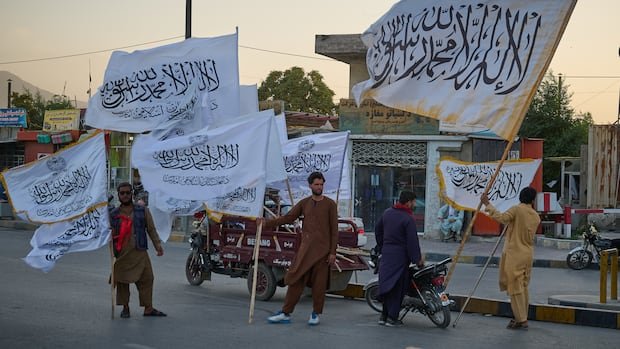
The Taliban’s return to power resulted in the displacement of numerous Afghans and the imposition of strict fundamentalist laws, particularly targeting women. Organizations like The Zan Times have highlighted the escalating violence against women in Afghanistan under Taliban rule, where perpetrators often evade accountability, perpetuating a culture of impunity.
Efforts by western countries to safeguard women’s rights within Afghanistan have been challenged, leading to reliance on diplomatic censure and targeted sanctions. Despite implementing humanitarian visa programs for at-risk individuals such as female judges, activists, journalists, and politicians, the evacuation and resettlement processes have faced significant obstacles.
The Allied Ledger report, compiled by Local Staff International and AfghanEvac, assessed the evacuation and resettlement endeavors of allied nations, revealing challenges in these operations. While some progress has been made, the report underscores the ongoing vulnerability of individuals under Taliban rule, necessitating continued support and action from the international community.
Former Canadian combat commander Major-General Denis Thompson commended Canada’s resettlement of over 60,000 vulnerable Afghans post-Taliban takeover but highlighted the need for further assistance to those still at risk. U.S. Senator Chris Coons emphasized the importance of honoring commitments to individuals who supported American and NATO forces during the conflict, urging continued efforts to fulfill promises made during this critical chapter of history.