

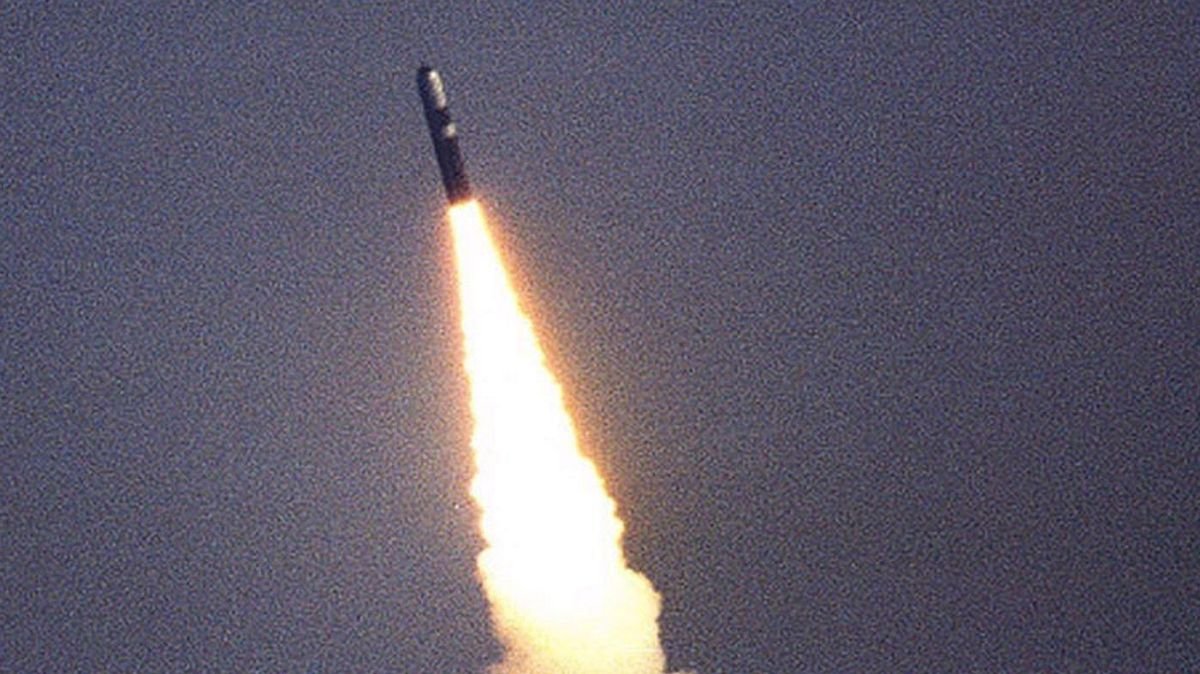

The expiration of the treaty governing nuclear arms between the United States and Russia signifies a loss of a crucial safeguard against the potential use of atomic weapons. This development comes amidst heightened tensions between Russia and NATO, coupled with a growing indifference from the United States towards the alliance.
Initially signed in 2010, the Treaty on Measures for the Further Reduction and Limitation of Strategic Arms, also known as New START, has seen differing stances from the two parties. While President Putin has expressed willingness to extend the treaty for a year, President Trump has deferred the decision for future consideration.
With Russia and the United States collectively possessing 90% of the world’s nuclear weapons, the expiration of the agreement raises significant concerns. The termination of this treaty underscores the urgent need for swift action, as the complexity of negotiations has escalated over the past 15 years.
Challenges in reaching a new agreement are amplified by demands to involve additional nuclear powers like China, France, and the United Kingdom. The intertwined geopolitical landscape, particularly the conflict in Ukraine, further complicates the path to a revised nuclear arms deal.
As the global power dynamics shift, China’s growing military prowess and reluctance to limit its nuclear capabilities pose a new obstacle in arms control efforts. The absence of a renewed agreement could potentially lead to an era of increased nuclear proliferation and heightened uncertainty surrounding nuclear arsenals.
The conclusion of the treaty not only implies a potential surge in global nuclear stockpiles but also signifies a decline in transparency and predictability regarding nuclear weapons. Without the structured mechanisms for verification and data exchange, the lack of clarity surrounding nuclear capabilities could fuel tensions and undermine deterrence strategies.
The termination of the treaty marks a critical juncture in global security, highlighting the pressing need for diplomatic efforts to address the evolving nuclear landscape and prevent the onset of a renewed nuclear arms race.