

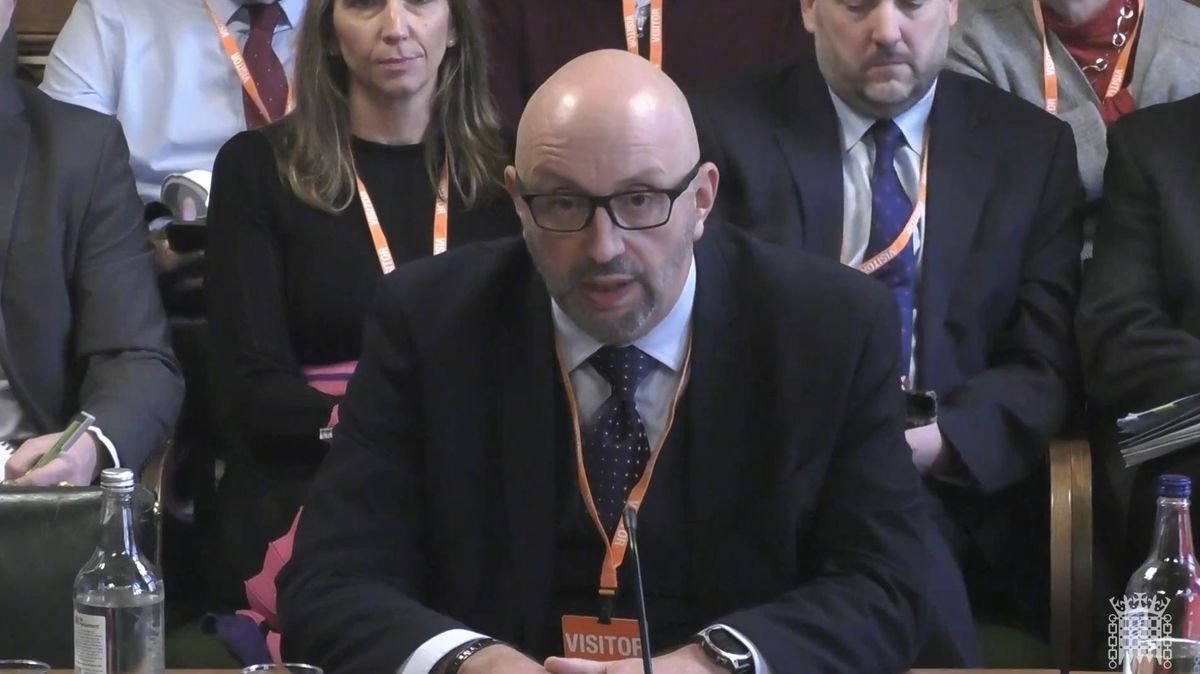

The CEO of a water company, South East Water, stands to receive a substantial £400,000 bonus despite ongoing issues that have left many households without water. David Hinton, the chief executive, saw a 30% pay increase last year, coinciding with a significant rise in customer bills. Additionally, he received a £50,000 bonus for overseeing the bill hike. This news comes as the industry regulator, Ofwat, launches a probe into the company’s recent string of problems, which have resulted in prolonged water shortages for customers in Kent and Sussex.
If Ofwat determines that South East Water failed to meet customer service standards, the company could face severe penalties, including potentially losing its license and being fined a substantial portion of its revenue. The investigation will focus on the company’s past performance, particularly the incidents that left around 30,000 properties without water due to burst water mains and other issues.
Despite the challenges faced by customers, South East Water emphasized its commitment to providing high-quality drinking water to its 2.3 million customers. The company, partially owned by an Australian infrastructure fund, NatWest Group’s pension fund, and a Canadian financial firm, highlighted its dedication to serving the public interest.
Criticism has been mounting against South East Water, with calls for accountability and potential repercussions. Various stakeholders, including industry experts and politicians like Keir Starmer, have expressed concerns over the situation. The ongoing scrutiny has prompted further investigations and demands for transparency from the company’s leadership.
Efforts to address the water supply disruptions have been ongoing, with bottled water stations set up in affected areas to assist residents and businesses. South East Water assured the public of its cooperation with regulatory investigations and emphasized its commitment to a performance-driven remuneration framework that rewards success and does not tolerate poor performance.
As the situation unfolds, stakeholders continue to monitor developments closely, urging swift action and accountability to ensure the reliable delivery of essential services to communities in need.