

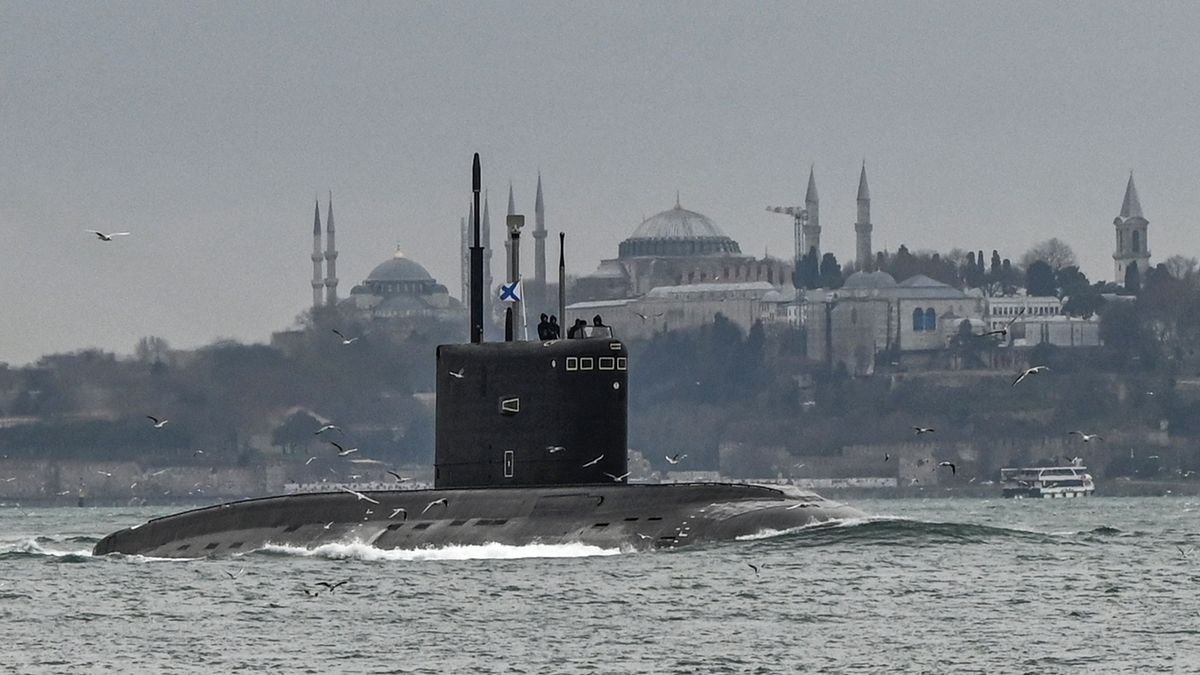

Protecting the northern border of Britain has become a top priority for the UK due to the increasing threat posed by Russia. Reports suggest that Russian submarines have been making frequent covert visits to the region, potentially to survey access points to UK facilities and underwater cables. These submarines have been detected lurking near the coast more frequently, likely to test detection capabilities and assess the UK’s response.
The significance of these covert activities lies in the vital communication infrastructure linking Europe, the UK, Ireland, and North America through underwater cables. These cables carry a substantial amount of financial transactions and secure communications. In the event of a conflict, the destruction of these cables or potential sabotage by specialized Russian commandos could have severe consequences.
Russia is suspected of developing powerful underwater weapons, including “domesday bombs” capable of creating devastating tsunami-like waves through underwater explosions. The deployment of such weapons near enemy coastlines could pose a significant threat during wartime. The extent of advancement in these weapons remains unknown, highlighting the secretive nature of Russia’s underwater operations.
Securing access to the North Atlantic has also become crucial for trade due to climate change opening new maritime routes between countries. This development is expected to accelerate in the coming years, making the North Atlantic a vital trade and military passage. Collaborative efforts, such as the agreement between Norway and the UK, play a key role in enhancing security and global influence.
Norway’s role as a NATO member with close military ties to the UK, particularly in training Royal Marines Commandos, further strengthens security cooperation in the region. The importance of training for harsh climates and anti-submarine warfare capabilities, such as the advanced Type-26 frigates deployed by Britain, underscores the strategic preparedness to counter underwater threats effectively.
Overall, safeguarding the northern flank of Britain against potential threats from Russia, securing vital communication networks, and adapting to evolving maritime trade routes are crucial elements in maintaining national security and global influence.