

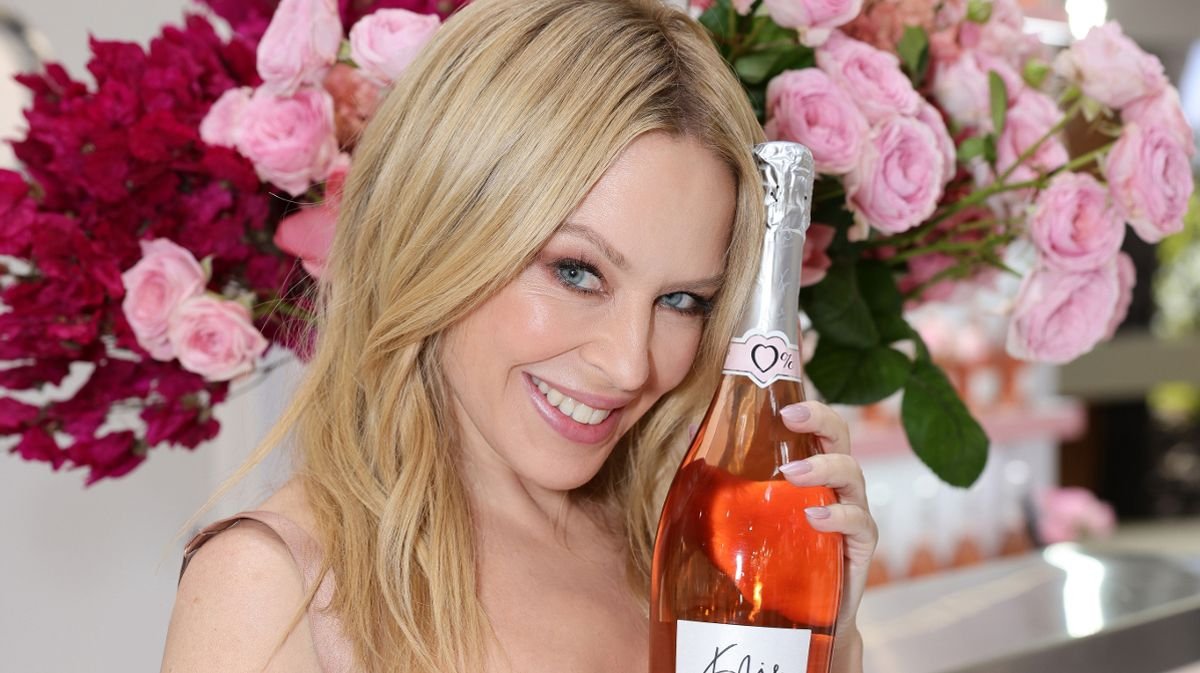

In January, individuals participating in Dry January may unknowingly consume alcoholic drinks with sugar content equivalent to multiple KitKat bars. For instance, a 500ml bottle of Kopparberg Strawberry and Lime Alcohol Free contains approximately 12.6 teaspoons of sugar, while a standard KitKat bar has around five teaspoons. Even a 100ml glass of Kylie Minogue’s Alcohol-Free Sparkling Rose contains 1.25 teaspoons of sugar.
Health advocates are expressing concerns over the high sugar content in these beverages, especially as an estimated 17.5 million people in the UK are abstaining from alcohol this month. The NHS recommends a daily sugar intake limit of about seven teaspoons for adults. For example, Thatchers Zero Cider cans (440ml) have six teaspoons of sugar, and Inch’s 0.0% Alcohol Free Apple Cider contains 6.5 teaspoons per 440ml.
Sonia Pombo from Action on Salt and Sugar warns against substituting alcohol with sugary alternatives, stating that it could counteract public health initiatives and confuse consumers striving to make healthier choices. Nutritionist Paul Evans emphasizes that many alcohol-free drinks are essentially sugary beverages, which can lead to cravings, energy fluctuations, and weight gain more significantly than occasional alcoholic drinks.
Tam Fry of the National Obesity Forum cautions that while low-alcohol options may seem beneficial in the short term, the hidden sugar content can have long-term negative effects on health. All manufacturers mentioned in the article were approached for comments.