


In a recent shift in approach, US President Donald Trump has transitioned from addressing protests and executions in Iran to focusing on Iran’s nuclear ambitions, citing previous successful bombing operations. The sudden deployment of a substantial military force towards Iran has raised questions about the underlying motives behind this move, especially considering the historical reluctance of past Presidents to tackle the complex Iran issue despite pressure from Israel.
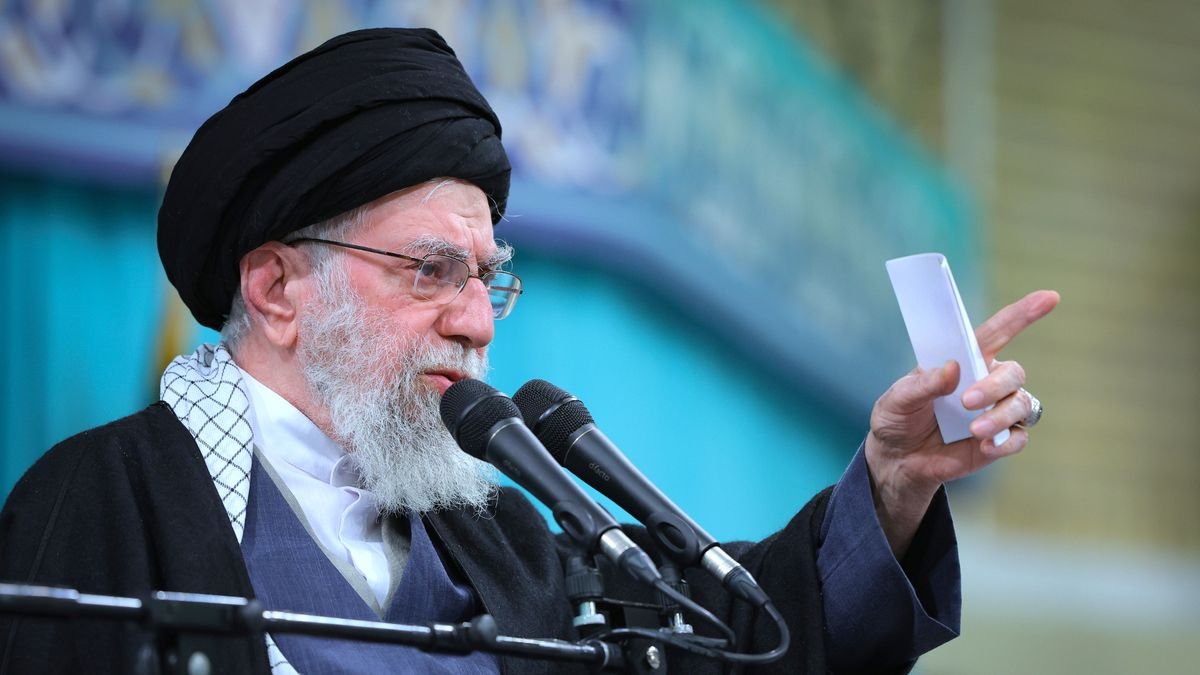
Current circumstances indicate that Iran is particularly vulnerable to a large-scale attack due to the weakening of its proxy forces like Hamas and Hezbollah. Past Pentagon strategies against Iran have included plans for significant naval and aerial bombardments aimed at preventing Iran from acquiring nuclear capabilities, with the possibility of regime change always looming. Israel has long sought international support to remove the grip of Ayatollah Khamenei and the Islamic Revolutionary Guard Corps on Iran, given the country’s history of hosting terrorists and aiding extremist groups.
Israeli intelligence has advocated for strategic attacks targeting key Iranian figures, espionage operations, and sabotage missions to hinder Iran’s nuclear program while avoiding complete destruction to provide Iranians with a vision for the future post-attack. Recent protests in Iran, fueled by economic woes and human rights concerns, have further weakened the regime’s standing, potentially reducing the threat of retaliation from proxies like Hezbollah.
Against this backdrop, President Trump appears to have been advised that the current circumstances present an opportune moment to confront Iran decisively and potentially bring about the end of the existing regime. This shift in strategy reflects a calculated response to the evolving dynamics in the region, where Iran’s vulnerabilities are being exploited to push for significant changes in its leadership and policies.