

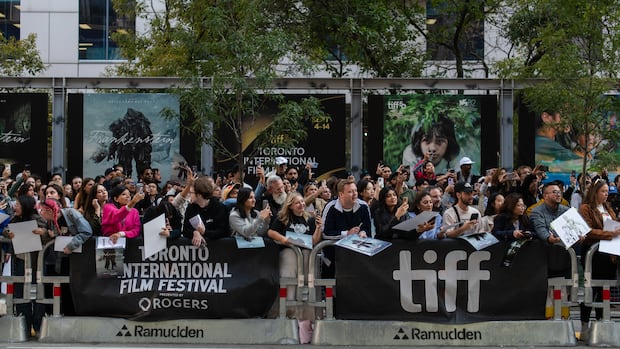

For many years, the Toronto International Film Festival has established itself as a trendsetter. Toronto has become a go-to destination for movie stars seeking to kick off their Oscar campaigns unofficially.
However, as top films and renowned celebrities increasingly choose other festivals for their debuts, TIFF is undergoing a transformation with a renewed emphasis on the commercial aspects of film acquisition and packaging.
During this challenging time for the film industry, this shift may help keep TIFF relevant in discussions, but with rising ticket costs, what implications does this have for the core of the festival: the moviegoers?
Here’s an overview of TIFF’s own cinematic makeover—along with a selection of films you might not want to miss.
Focusing on Dealmaking
Continuing a trend observed post-pandemic, several of the season’s most talked-about titles, such as Primetime featuring Robert Pattinson and You Can See Everything by Nathan Fielder from Canada, opted for Venice or Telluride for their global premieres instead of TIFF.
In a manner reminiscent of the geeky girl in a romantic comedy who removes her glasses, TIFF is attempting to reinvent itself by embracing the dealmaking and strategy sessions fueled by caffeine that characterize many major festivals.
With an initial funding of $23 million from Ottawa, TIFF: The Market presents 70 events and sessions dedicated to exploring film, television, and interactive content.
Among the projects being presented are a science fiction film starring Russell Crowe and Priyanka Chopra, a romantic comedy with Colin Firth and Halle Berry, and a new chapter in the Air Bud saga.
Yet, similar to the fierce competition for red carpet appearances, TIFF will contend with other industry competitors.

Diego Calva, left, and director Jordan Firstman at the photo call for Firstman’s film Club Kid during the 79th Cannes Film Festival in May. (John Locher/The Associated Press)
First on the list is the Cannes marketplace, the most prominent and recognized venue that sets the pace for the year.
For instance, it was at La Croisette, the famed boulevard in Cannes, where the excitement surrounding Jordan Firstman’s Club Kid began, leading to an intense bidding war. The film’s Canadian premiere is scheduled for TIFF on Sunday.
The Trump Influence
While TIFF aims to establish itself as a fall alternative to spring’s Cannes, it also competes with the American Film Market (AFM), which occurs in November in Los Angeles.
Although AFM typically caters to more commercial films, TIFF, which has long championed international cinema, will shine a spotlight on emerging markets in Africa and Asia as part of its market programming.
Additionally, as U.S. President Donald Trump promotes new national incentives for bringing American film production back home, international buyers who are cautious about engaging with Hollywood or prefer to avoid border complications might find TIFF to be an appealing option.
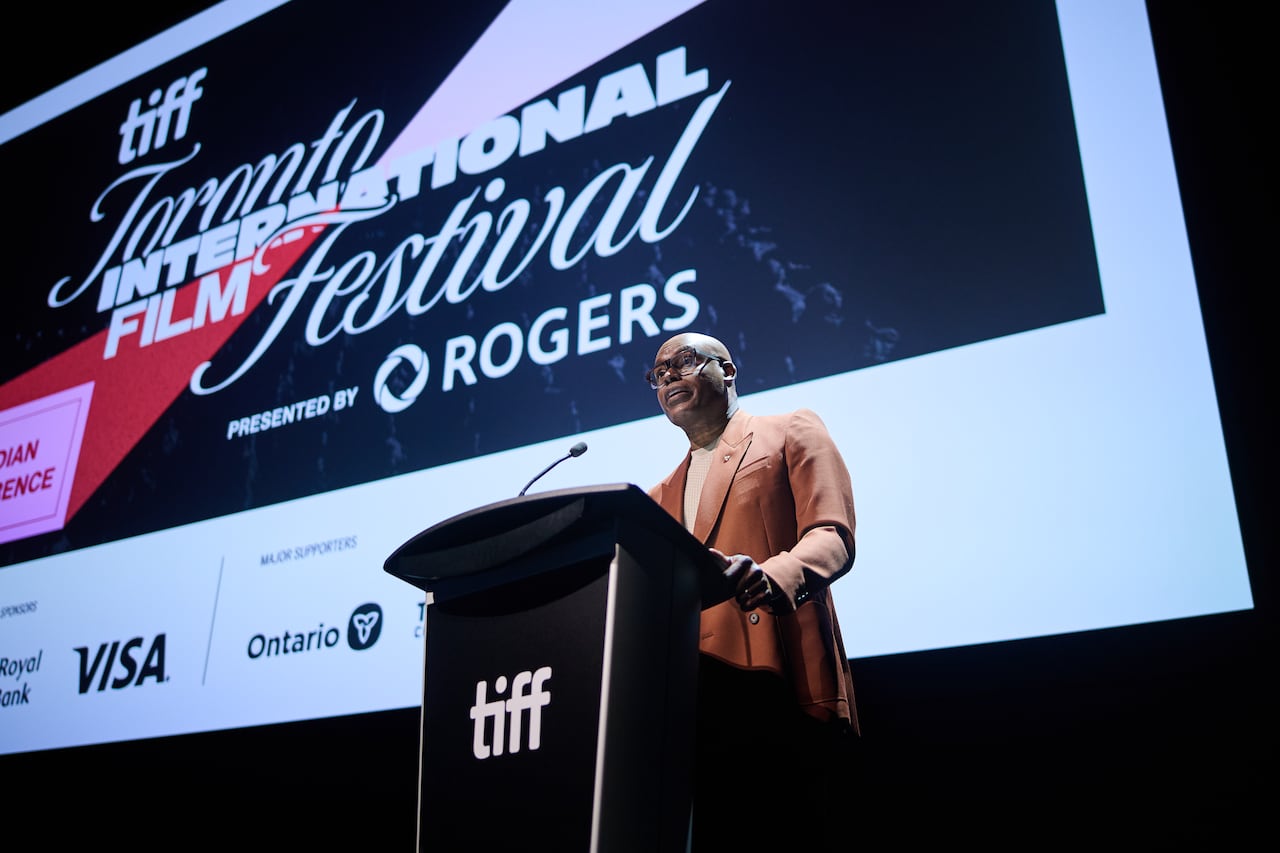
TIFF CEO Cameron Bailey addresses media at a festival event last month. (Sammy Kogan/The Canadian Press)
Tickets and Their Impact
As TIFF’s star power continues to wane and the festival shifts its focus towards industry dealings, concerns arise regarding the implications for the essence of the TIFF experience: the film enthusiasts. These are the individuals who wait in extensive lines, spend hours anticipating stars on the red carpet, and cheer enthusiastically during late-night screenings.
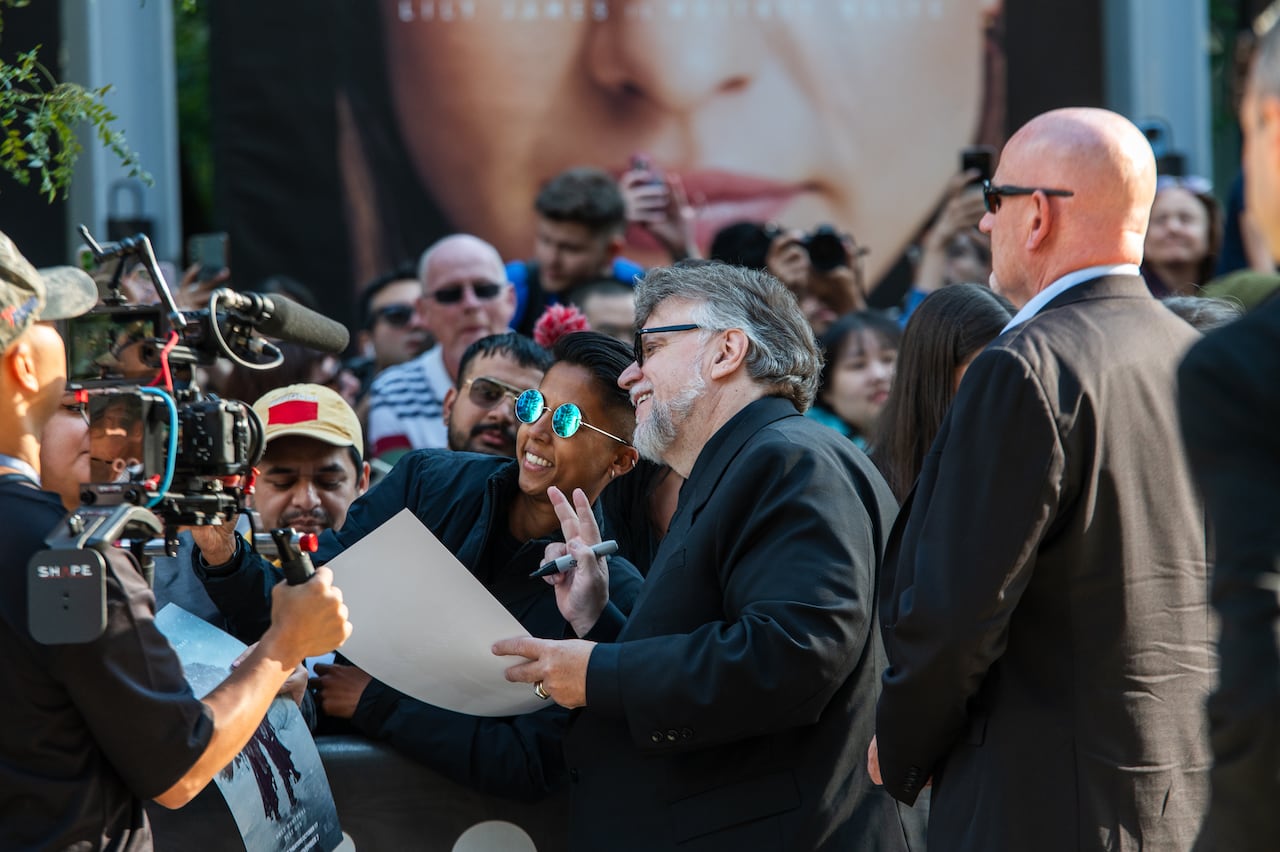
Director Guillermo del Toro interacts with fans at the premiere of his film Frankenstein at the Toronto International Film Festival last September. (Laura Proctor/The Canadian Press)
Each year, TIFF proudly highlights its success in predicting best picture winners, promoting the People’s Choice Award as an indicator of Oscar potential.
However, with ticket prices rising (with regular screenings starting at $30 and above), fewer members of the public—those who contribute to the festival’s vibrant atmosphere—are likely to fill those screenings.
In a recent conversation with the Toronto Star, TIFF CEO Cameron Bailey acknowledged that glamorous premieres featuring stars and filmmakers come with higher ticket prices, yet he also noted that they remain more affordable than tickets for professional sports events in the city.
At a time when Canadians are eager to support their local talent, this could mean that some film aficionados may find themselves unable to afford a seat.
Essential Films
Although the roster of A-list stars attending TIFF may be decreasing, there are still numerous highly anticipated films from the upcoming fall season making their way through Toronto.
Ink showcases director Danny Boyle returning to the UK to document the rise of The Sun tabloid newspaper, featuring rumored James Bond contender Jack O’Connell as a cutthroat editor in chief.
Next up is The Debut, a heartfelt tribute to community theatre penned and directed by actor Jesse Eisenberg. In 2025, Eisenberg’s A Real Pain helped Kieran Culkin secure an Oscar. Already, many are speculating that Julianne Moore’s portrayal of an overwhelmed housewife who immerses herself in a role could garner accolades.
Primetime Series
TIFF has increasingly incorporated both film and television into its lineup, and this year features several TV series in the Primetime program. Among these is Apple TV’s Slow Horses, which will debut its sixth season in Toronto, with star Gary Oldman scheduled for an on-stage interview.
Currently filming its second season, the highly anticipated Crave series Yaga features Hudson Williams as an heir to a formidable fishery, alongside The Matrix’s Carrie-Anne Moss as a university lecturer. Inspired by the menacing fairy tale character Baba Yaga, the series promises an enticing blend of mischief and darkness.
Celebrating Canadian Talent
It is important to note that, prior to the escalation of trade tensions, the Canadian film sector was thriving, buoyed by successes like Nirvanna the Band the Show the Movie, Mile End Kicks, undertone, and others.
To take advantage of this momentum, TIFF showcases a wide range of Canadian films this year. If you’re a fan of Jay Baruchel and enjoy incredible feats performed by Canadian talents, The Stunt Driver, directed by Michael Dowse of FUBAR fame, tells the real-life story of stuntman Ken Carter.
Music enthusiasts can look forward to Neil Peart: No One’s Disciple, a 106-minute documentary that delves into the life of the late Rush drummer, featuring contributions from Chad Smith of the Red Hot Chili Peppers and Stewart Copeland of The Police.
For those seeking a more unconventional film, Ladies and Gentlemen, Brian Mulroney offers an outrageous perspective on the former prime minister. Director Matthew Rankin, who also created Universal Language, presents what TIFF describes as a “retro-pop fever dream,” which will be showcased in the always lively Midnight Madness category.

In Smudge the Blades, director and writer Cody Lightning, centre, also stars as the coach of the Treaty 6 Blades, a film that narrates the journey of an Indigenous hockey team striving for a place in Alberta’s northern league. (Liam Mitchell)
Not willing to allow Heated Rivalry to monopolize all the hockey antics, Smudge the Blades tells a compelling sports story about an Indigenous hockey team in Northern Alberta.
Triple threat Cody Lightning, who directs, writes, and stars in the film, plays the team’s frustrated coach alongside a talented cast of Indigenous actors, including Jana Schmieding and Paulina Alexis.