

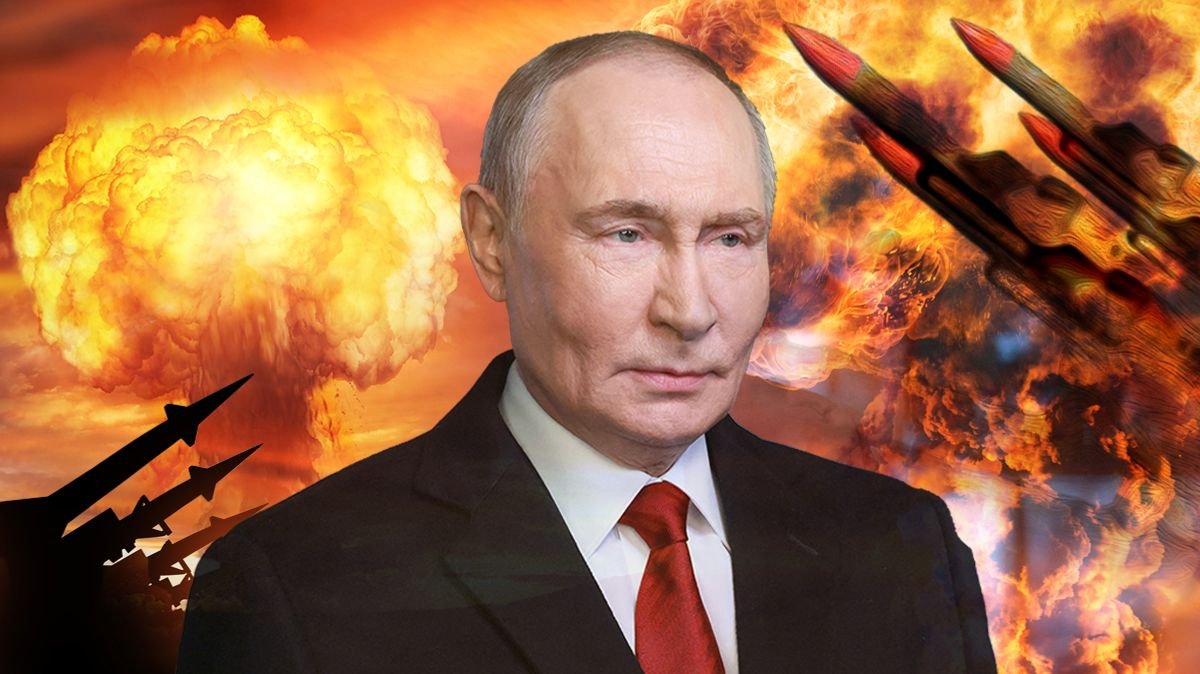

Tensions have escalated between Russia and other global powers recently, raising concerns about the Kremlin’s proximity to potential threats. Following months of provocative statements from Vladimir Putin’s associates, Russia has now openly threatened to use nuclear weapons against the UK and mainland Europe if they face defeat in Ukraine. Sergey Karaganov, the head of Russia’s Council for Foreign and Defense Policy, warned that Putin would not hesitate to deploy nuclear arms, leading to catastrophic consequences for Europe.
In a worrisome development on January 8, the Kremlin conducted a significant drone and missile attack in Ukraine, including the deployment of a nuclear-capable hypersonic missile named Oreshnik, targeting the city of Lviv. This aggressive move, just 70km from the Polish border, was a stark message to Western nations. Meanwhile, UK Prime Minister Keir Starmer signed an agreement to send troops to Ukraine in the event of a peace settlement with Russia. Despite these efforts, the Kremlin has rejected peace negotiations and labeled British soldiers as legitimate military targets, further escalating tensions.
With prominent figures like Vladimir Solovyov outlining potential European targets and NATO warning citizens to brace for war reminiscent of past conflicts, the specter of a global war looms over modern Britain. While Starmer has acknowledged the severe military threat facing the nation, he has not gone as far as other European countries like France, Norway, and Finland, which have issued survival manuals advising citizens on preparing for war, including stockpiling essential supplies.
Calls for the UK government to follow suit and distribute similar guidance have been made by Professor Anthony Glees, emphasizing the importance of public readiness for potential conflicts. Additionally, the European Union has urged its member states to equip citizens with essentials for 72 hours of self-reliance in case of emergencies, emphasizing the complexity and interconnected nature of modern threats.
Amid growing concerns, Doomsday preppers, security experts, and national defense specialists have shared insights on survival strategies in the face of potential conflicts. Emphasizing the need for community resilience alongside individual preparedness, experts stress the importance of building connections with neighbors and acquiring essential skills like gardening, conflict resolution, and foraging. As uncertainties loom, understanding survival tactics and fostering community cohesion are becoming increasingly vital in the face of potential threats.