

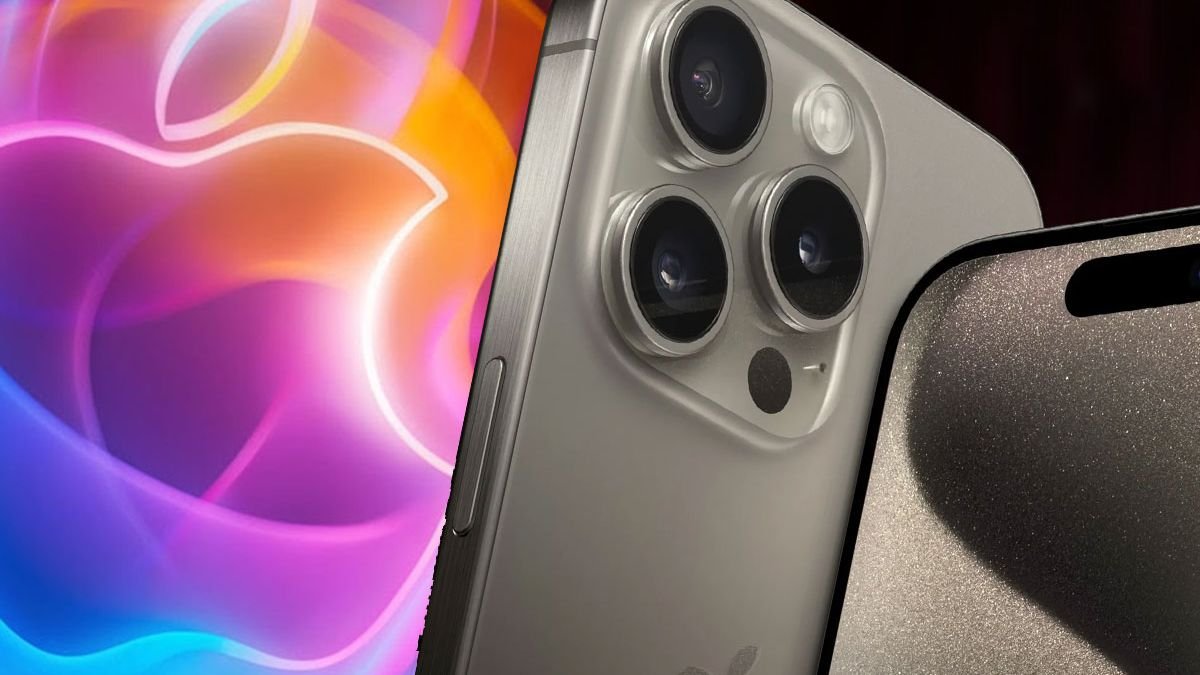

The cost of upgrading to a new iPhone is expected to rise due to the increasing prices of memory components essential for these devices. The surge in demand for memory, driven by advancements in AI technology and the expansion of server infrastructure, has led major memory manufacturers to prioritize AI-focused products. Consequently, this shift has caused a ripple effect on consumer electronics like laptops, tablets, and smartphones.
Compounding the issue, the ongoing conflict in Iran has disrupted the supply of helium, a critical element in semiconductor production. As a result, semiconductor costs have escalated further. Apple’s CEO, Tim Cook, has cautioned customers about potential price hikes, citing the challenges faced by the company in absorbing these increased costs.
In an interview with the Wall Street Journal (WSJ), Cook acknowledged the pressure from memory suppliers passing on substantial price increases. He expressed the need for memory pricing and supply to stabilize at reasonable levels for consumer goods.
While the timing of the price hikes remains uncertain, Apple is anticipated to unveil its latest iPhone models in the fall, potentially reflecting the elevated costs. Additionally, speculations suggest the introduction of a foldable iPhone later this year, featuring a design that unfolds akin to a book, revealing a tablet-like display.
If the rumored iPhone Fold materializes amidst rising RAM prices, it could emerge as one of the most expensive smartphones ever produced. Stay tuned for updates, as Apple traditionally unveils its newest products in September.