

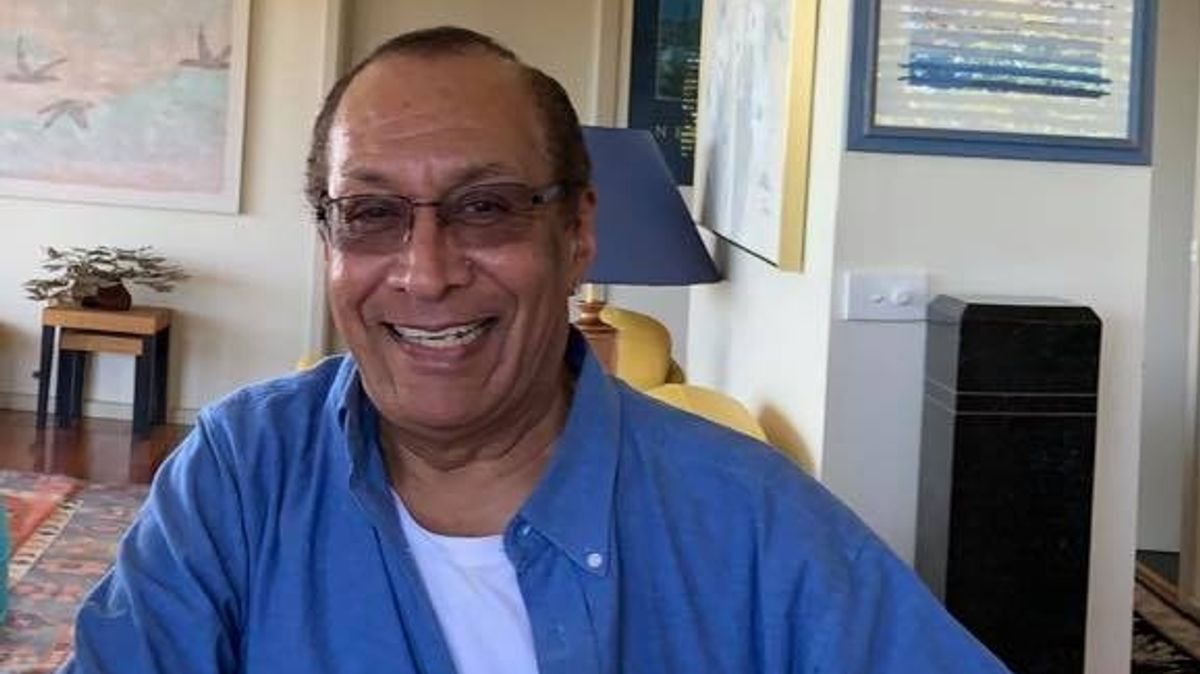

A man passed away leaving his significant £1 million estate to his online partner, who unfortunately turned out to be a fabricated persona.
William Ian Southey, who was 73 at the time of his death, designated Kyle Stuart Jackson as the executor of his vast estate. However, investigations later revealed that the individual known as Kyle was a fictitious online profile.
The relationship between the two commenced after William, a resident of Melbourne, sought companionship online following the passing of his longtime partner. Despite plans of marriage between William and Kyle, court rulings posthumously confirmed the non-existence of the purported partner.
Suspicions arose regarding Kyle’s authenticity when legal representatives encountered difficulties in confirming his identity. William’s former spouse, Kaye Moseley, who was married to him from 1976 to 1989, sought legal intervention to establish the legitimacy of Kyle, resulting in the court’s determination that the individual was not genuine.
Rachael Hocking, Kaye’s legal counsel, expressed the challenges faced in the administration process due to the inability to verify Kyle’s identity. Efforts to authenticate Kyle included numerous phone calls, emails, attempted video calls via Zoom, and the discovery of a fraudulent passport.
Further investigations unveiled a cheque amounting to £647,500 ($1.3 million) made out to Kyle for the acquisition of two Jean Basquiat paintings. However, Toronto-Dominion Bank confirmed the invalidity of the cheque, emphasizing that it would not clear if presented for payment.
Associate Judge Caroline Anne Goulden concluded that the individual associated with Jackson’s email address exhibited irregular communication patterns, and the provided address did not lead to anyone by the name of Kyle Stuart Jackson. The judge affirmed that the person named in the will as Kyle Stuart Jackson did not exist in the manner understood by William, if at all.
Hocking emphasized the need for caution in light of this case, highlighting the risks associated with online relationships and financial scams. She expressed concerns over vulnerable individuals being exploited, as demonstrated by the nomination of a fictitious beneficiary in a will.
Communication between William and the non-existent Kyle was solely conducted online, leading to the latter being appointed as the executor and sole beneficiary of the estate, which included a property in the Melbourne suburb of Kew that was sold for £1.25 million ($2.5 million).