

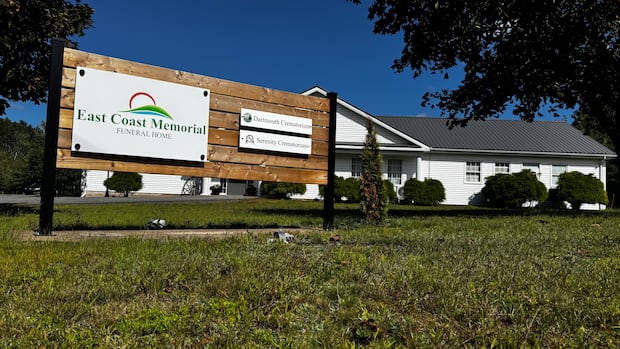

Families in Nova Scotia’s Annapolis Valley are facing confusion after learning they may not have the actual ashes of their deceased relatives. A DNA testing expert indicates that the technology provides only a slim chance of accurately identifying the remains.
Earlier this month, numerous families who had utilized the services of the previous Serenity Funeral Home were notified by the new owners that human ashes belonging to their loved ones were discovered in storage.
Michelle Carey had engaged Serenity for the funeral of her father, Hendrik (Hank) Sabean, who passed away in 2018. Sabean had laid out specific wishes regarding his funeral arrangements, including the handling of his remains by the funeral home.
Now, as the family faces the prospect of reinterring the remains and is uncertain about whose ashes they actually buried, Carey expressed doubts about ever confirming the identity of the remains.
“My sister and I researched a bit, and we found that conducting any sort of DNA testing would be extremely difficult,” Carey remarked. “How can we be certain that what we might receive is indeed our father’s remains this time?”
Dean Hildebrand, the manager of the forensic DNA lab at the British Columbia Institute of Technology, stated that extracting sufficient DNA from ashes for identification purposes is quite challenging.
“While some reports suggest that trace amounts of DNA can still be detected, finding those traces is not the same as being able to utilize that DNA,” he explained.
Hildebrand noted that DNA is surprisingly durable, mentioning that labs frequently obtain complete DNA profiles from human remains affected by fires, despite the destruction involved.
However, the extreme conditions in a crematorium — temperatures reaching 900 C for several hours — lead to the complete degradation of all organic materials.
“It’s essentially a worst-case scenario for isolation,” Hildebrand remarked.
He mentioned that throughout his experience, he has encountered cases of identifying remains from ashes that were mixed up with others from different funeral homes. However, in this situation, the new owners of Serenity, East Coast Memorial, indicated there are a considerable number of remains involved.
Although the likelihood of making an identification is minimal, Hildebrand did not dismiss the possibility entirely.
He believes it is worthwhile to test, as a fragment of bone could potentially provide usable DNA.
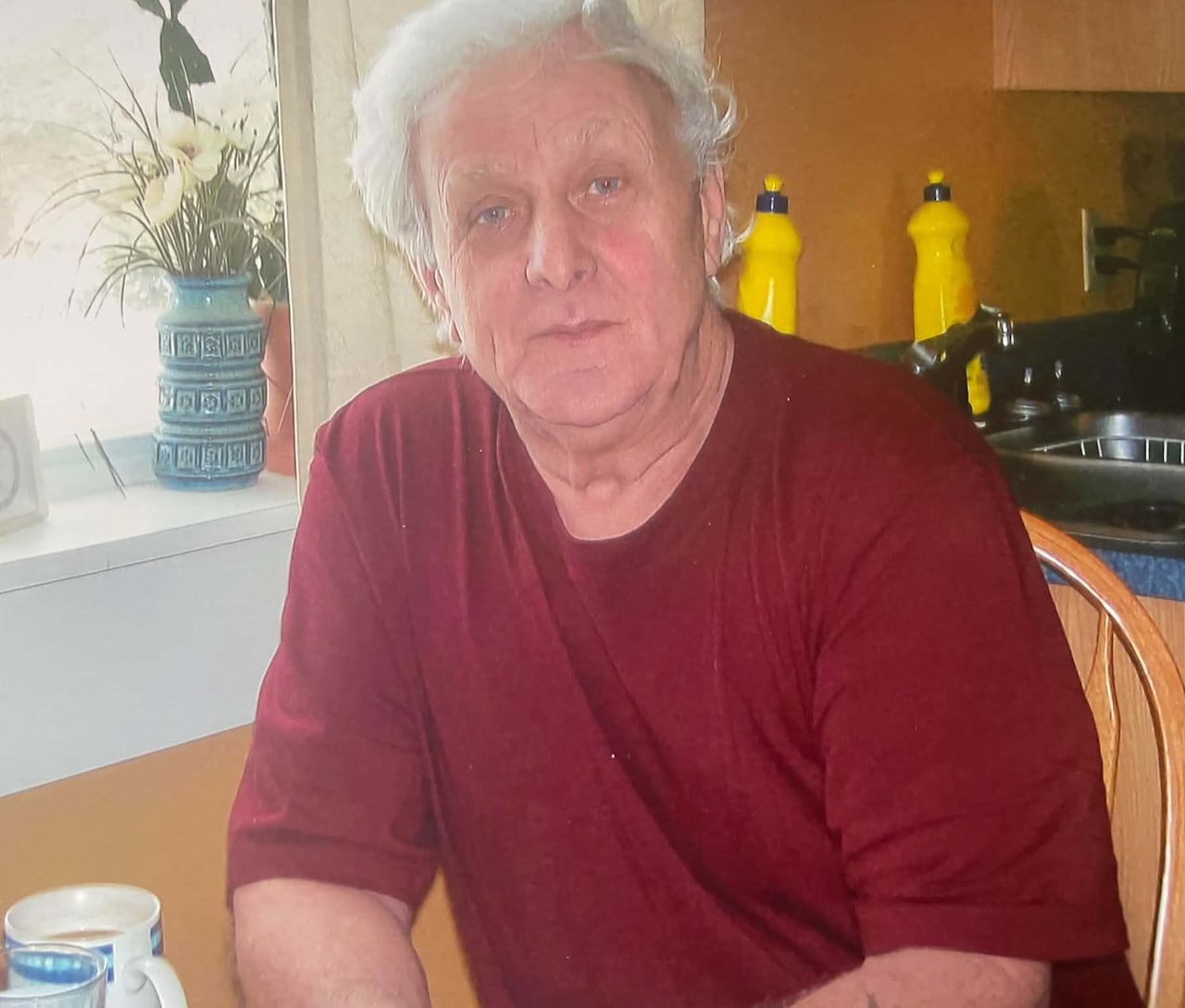
Hendrik (Hank) Sabean was 67 when he passed in 2018. He had specific preferences for his funeral arrangements, including utilizing Serenity Funeral Home for his service and the burial of his ashes. (Amanda Sabean)
“I believe it’s worth the endeavor,” he stated. “However, it’s important to manage expectations.”
Carey mentioned that she was informed the ashes her family buried might include a small metal disc with an identification number, which could assist in identifying the remains.
Nevertheless, finding that ID number may be the sole means to determine the identity of the person they originally interred in 2018.
“I want to trust that what they are telling me is genuine, that they indeed have our father’s remains,” Carey expressed. “Yet, uncovering the identity of the person buried will be extremely challenging.”
An investigation is underway by both the province and Nova Scotia’s regulatory body for funeral directors.
MORE TOP STORIES
-
‘Accommodation deserts’ a main tourism gap in Nova Scotia’s Annapolis Valley
-
CBRM councillor denies conflict of interest over port development talks
-
West Dalhousie gathers to mark one year back home after wildfire
-
N.S. seafood processor wants accuser to name names in $10M lobster lawsuit
-
The province gave SMU $25M to transform health care. Then it quietly killed the plan