

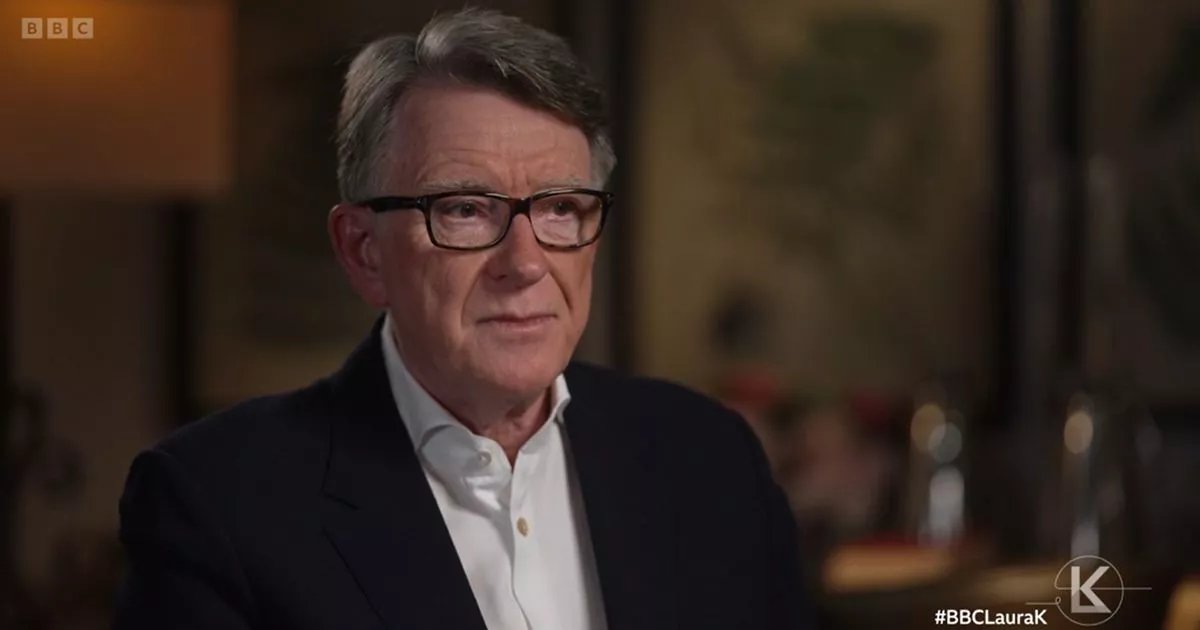

Lord Mandelson faced criticism for his reluctance to apologize to Jeffrey Epstein’s victims despite maintaining a friendship with the convicted sex offender. The former US Ambassador, dismissed following the exposure of his correspondence with Epstein, defended his association with the billionaire, asserting he was unaware of Epstein’s actions. Mandelson expressed regret for the lack of protection afforded to the vulnerable women involved.
While Mandelson refrained from admitting personal responsibility, he acknowledged the systemic failure to safeguard the victims. His remarks drew condemnation from government minister Heidi Alexander, who labeled his stance as naive. Pressure mounted on Labour to revoke Mandelson’s peerage, with SNP leader Stephen Flynn questioning why Mandelson was allowed to retain his position.
Mandelson denied any knowledge of Epstein’s illicit activities and emphasized he never witnessed any suspicious behavior during their interactions. Despite Epstein’s prior conviction, Mandelson believed in his innocence and offered support for early release. The revelation of their emails led to Mandelson’s dismissal from his role for allegedly advising Epstein on legal matters related to underage sex charges.
The British Embassy in Washington highlighted the depth of Mandelson’s relationship with Epstein, contrasting it with the information available at the time of his appointment. Mandelson’s messages to Epstein conveyed support and encouragement, urging him to persevere and emerge stronger from the ordeal. In response to the unfolding controversy, Mandelson vowed not to dwell on the past and chose to move forward.