


Termed as a “super” or “Godzilla” El Niño, the Pacific Ocean phenomenon known for disrupting global weather patterns has made a return, coinciding with a period of heightened temperatures across various regions worldwide.
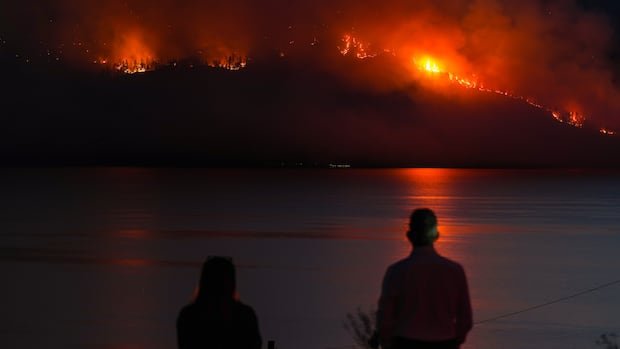
North America and Europe experienced record-breaking heat in July, leading to numerous heat-related fatalities, dried-up waterways, and extensive wildfires, notably in Canada where over 4.1 million hectares of forests have burned, enveloping vast areas in smoke.
While this scorching summer coincided with the reemergence of El Niño, climate experts clarify that the phenomenon itself is not directly responsible for the extreme weather events. However, they caution that the synergy between El Niño and climate change induced by human activities could intensify the ongoing extreme weather conditions.
-
El Niño Emerges, Signaling Potentially Significant Impacts
-
Resurfacing Nazi Warships Amid Europe’s Deepening Drought
“The impacts of El Niño will be vast and far-reaching across a considerable expanse,” remarked Josh Willis, a climate scientist at NASA’s Jet Propulsion Laboratory.
“Brace yourselves for an eventful journey,” he added.
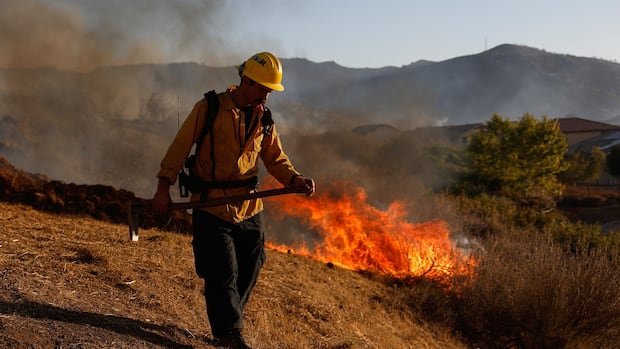
The UN’s weather agency has cautioned that the recurrence of El Niño will elevate summer temperatures, exacerbating climate-related disasters like droughts and wildfires.
Disrupting Weather Patterns
El Niños, occurring naturally every few years, typically commence in spring and extend into the subsequent year, characterized by a temperature rise of at least 0.5°C above the norm in the Pacific equatorial region where they originate.
According to Willis, this warming heats the air above the water, leading to an “alteration of the atmospheric conditions.”
“It essentially reverses the typical weather patterns,” he explained, causing regions with low precipitation to receive more rainfall while wetter areas experience drying.