

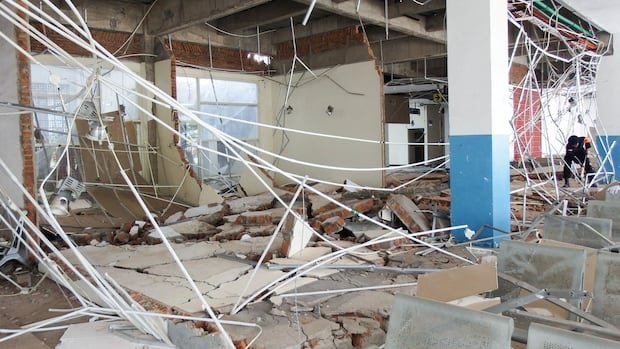

At least 47 individuals lost their lives following a magnitude 7.7 earthquake and multiple aftershocks that hit eastern Indonesia on Saturday, as confirmed by the National Disaster Mitigation Agency (BNPB). Around 2,000 people sought refuge in safer areas amid the devastation.
Due to blocked roads and disrupted communications caused by landslides, rescue teams have not yet reached Nagekeo, the nearest region to the epicenter. Despite the challenges, efforts are ongoing to assist those affected.
Following the earthquake, a tsunami warning was issued but later lifted after approximately three hours. Nona, a resident of Talibura, described the intense shock of the quake, prompting her and others to quickly seek safety.
In Maumere, a port town, rescue operations uncovered 20 fatalities, six injuries, and two individuals trapped under debris. The head of the city’s rescue agency, Fathur Rahman, provided this information, emphasizing the impact on the area.
The head of BNPB, Suharyanto, highlighted the dire situation with residents trapped in buildings and reports of landslides obstructing roads. The affected areas continue to face challenges, including damaged infrastructure and ongoing rescue efforts.
The governor of East Nusa Tenggara Province, Emanuel Melkiades Laka Lena, reported casualties due to collapsing structures. Extensive damage was recorded across various facilities and buildings, with preliminary data revealing the extent of destruction.
Videos circulating on social media captured the chaos and destruction, showing buildings collapsing and people fleeing in panic. The tremors were felt across multiple regions, causing widespread fear and displacement among residents.
Indonesia, situated along the “Pacific Ring of Fire,” experiences frequent seismic activities due to the collision of tectonic plates. The recent earthquake serves as a stark reminder of the country’s vulnerability to natural disasters.