


A recent £28 billion agreement between watchdogs and energy giants has stirred controversy as it is expected to raise customer bills by approximately £110 annually. Ofgem, the industry regulator, has granted approval for companies to enhance and invest in their gas and electricity networks over the next five years.
Under the deal, firms are allowed to recover the investment costs from customers, starting with a £40 increase in bills from next April, escalating to a projected £108 rise by 2031. However, Ofgem argues that when factoring in the anticipated savings from such substantial investments, the actual increase by 2031 is expected to be closer to £30 per customer.
The approved deal surpasses Ofgem’s initial proposal by £4 billion following industry lobbying earlier this year. Ofgem asserts that the investment will reduce the UK’s dependency on imported energy and eventually lead to cost savings for households.
Citizens Advice has criticized the deal, pointing out that network companies have already profited significantly, with Gillian Cooper, the director of energy at the organization, stating that energy bills are set to rise by around £40 starting April 2026, with further increases in the pipeline.
Various voices in the energy sector have raised concerns, with Simon Francis from the End Fuel Poverty Coalition cautioning that Ofgem could be providing excessive leeway to network and transmission companies. Francis emphasized the need for thorough scrutiny and consumer protections to be in place.
Greenpeace UK’s senior climate advisor, Charlie Kronick, emphasized the importance of ensuring that energy costs decrease as the country transitions to cleaner energy sources, urging government intervention to prioritize consumer interests over profits.
Founder of Ecotricity, Dale Vince, highlighted the need to decouple wholesale gas prices from electricity prices to lower energy bills. He criticized the current system where network operators generate substantial profits while passing on the investment costs to consumers.
On the other hand, Andy Prendergast from the GMB union welcomed the investment in gas and electricity grids, emphasizing the importance of moving towards energy independence and commending the government for making decisive choices.
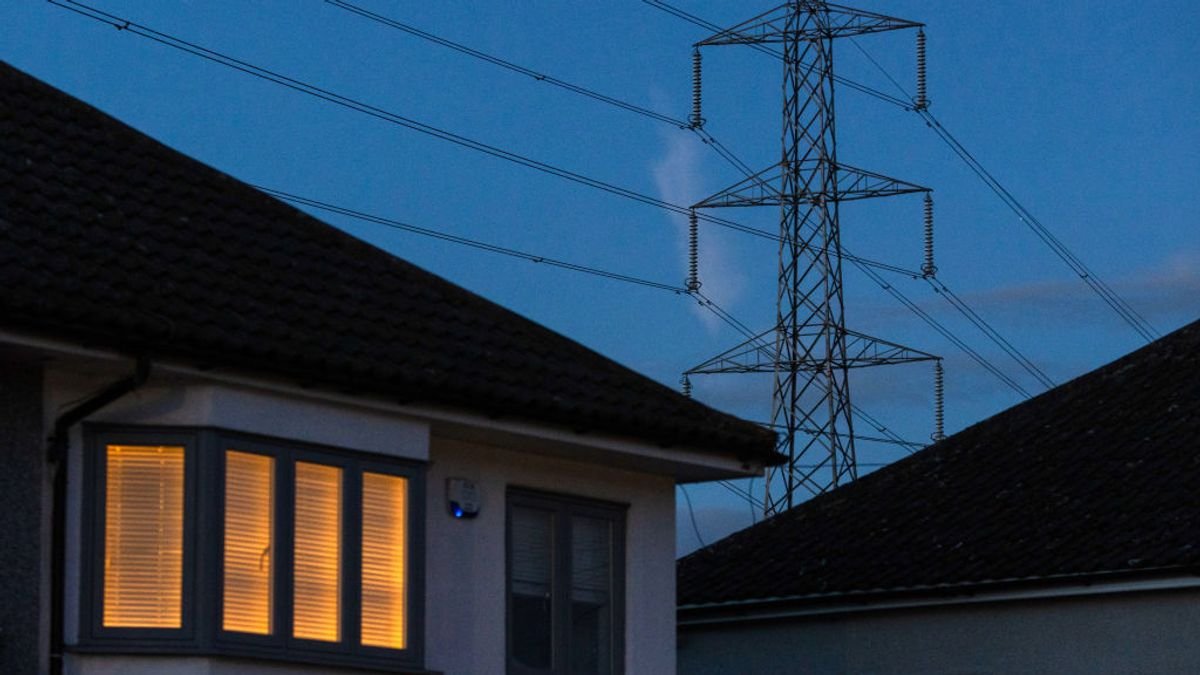
The investment will primarily target companies managing power lines, cables, and gas pipes, allocating nearly £18 billion for gas networks and £10.3 billion for electricity infrastructure enhancements.
Households are expected to witness a rise in network charges on their bills, covering a fifth of average annual energy expenses, with a projected £108 increase by 2031 to fund the additional investments.
Jonathan Brearley, Ofgem’s chief executive, highlighted that the investment aims to facilitate the transition to new energy sources and support industrial growth while insulating the country from volatile energy prices.
In response to the investment, a government spokesperson emphasized the necessity of upgrading gas and electricity networks after years of neglect to ensure energy security for the nation.
Industry stakeholders like Energy UK’s chief executive, Dhara Vyas, stressed the critical role of infrastructure investment in maintaining safe and reliable energy networks to meet future energy demands effectively.
Ofgem has scrutinized the plans submitted by energy companies throughout the year, making adjustments to the tune of over £4.5 billion from the initial proposals. The investment is set to fund 80 new energy projects, including enhancing grid capacity for renewable energy sources.
Companies like Scottish and Southern Electricity Networks see the investment as pivotal in reducing energy imports, enhancing grid efficiency, and stimulating economic growth across the UK. National Grid also expressed support for the investment, emphasizing the need for an investable and workable framework.