

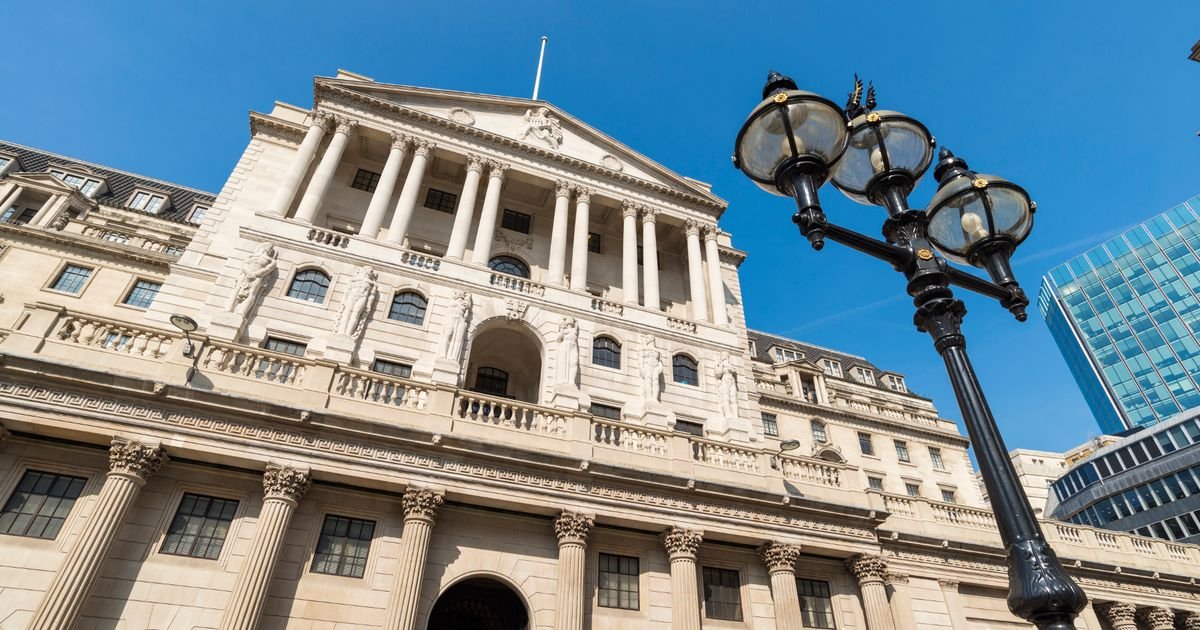

The Bank of England has given borrowers an early holiday gift by reducing interest rates to the lowest level since February 2023. The Monetary Policy Committee voted narrowly at five to four to lower its base rate from 4% to 3.75%, marking the sixth cut since August last year. The decision by Bank Governor Andrew Bailey to support the cut was crucial and came amid a welcomed slowdown in inflation.
This rate reduction is expected to benefit borrowers with variable rate mortgages and is likely to decrease fixed-rate mortgage costs for new loans or remortgages. However, it may pose challenges for savers if financial institutions reduce interest rates for depositors.
Chancellor Rachel Reeves commented on the rate cut, noting it as the sixth since the election, providing relief for families with mortgages and businesses with loans. She also emphasized the ongoing efforts to address the cost of living by freezing rail fares, prescription charges, and reducing the average energy bill by £150 next year.
TUC General Secretary Paul Nowak welcomed the rate cut but called for more aggressive measures to support the economy, urging the Bank to implement a series of substantial rate cuts quickly to boost consumer spending and business confidence.
The rate reduction follows a decrease in inflation to an eight-month low of 3.2% in November, driven by lower food and drink inflation as well as easing alcohol and tobacco prices. Marylen Edwards, director of mortgages at specialist lender MT Finance, expressed optimism that the rate cut would boost borrower confidence and lead to increased transactions in the upcoming New Year.
The Bank of England’s base rate, which peaked at 5.25% in 2023, has been gradually reduced through five cuts since August 2024, now standing at 4%. The recent rate cut is expected to save the average borrower with a variable rate mortgage and a balance of £175,000 around £29 per month, resulting in annual savings of nearly £350. Similar savings are projected for borrowers with different mortgage balances.
With inflation at 3.2%, below the Bank’s 2% target, Governor Bailey justified the rate cut, citing a decline in inflation and the need to support the economy. The Bank anticipates that measures announced in the recent Budget will further reduce inflation, potentially bringing it back to around 2% in the second quarter of 2026.
Looking ahead, economists predict further rate cuts, with expectations that rates may eventually reach 3% by late next year. Despite the rate cut being viewed as a positive step, concerns remain about the UK economy’s slow growth trajectory and the need for more evidence of inflation control before additional rate cuts are considered.
Stuart Morrison, research manager at the British Chambers of Commerce, welcomed the rate cut as a much-needed Christmas gift for businesses but highlighted the ongoing challenges faced by the economy. While the rate cut was anticipated, businesses continue to grapple with financial pressures, low confidence, and a need for decisive action to drive significant growth.