

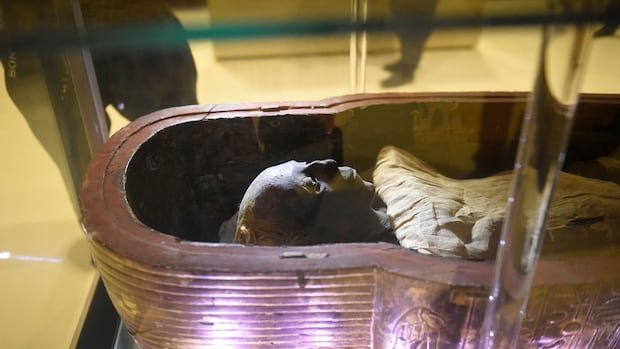

Although not commonly associated with typical delivery packages, researchers have identified a global online market for preserved human remains, which they believe poses potential health risks. A study led by Kirsty Squires and her team, published in the International Journal of Cultural Property, examined 128 online posts between 2015 and 2025 showcasing and selling mummified remains of humans and animals.
Squires, a bioarchaeology professor at the University of Staffordshire in England, noted the prevalence of mummified heads, hands, and feet in the analyzed posts. These preserved body parts may contain dormant microorganisms like bacteria, fungi, and yeast, which could pose health threats if mishandled. Proper storage conditions, as seen in museums with controlled temperature and humidity, are crucial to prevent the deterioration of remains.
Handling Mummified Remains Safely
Squires highlighted the visible signs of deterioration in many online images due to poor storage conditions outside controlled environments. Improper handling of these remains may release hidden fungal spores or bacteria, potentially harmful to individuals, especially those with compromised immune systems. Additionally, some mummified body parts may retain toxic chemicals like arsenic and mercury from historical embalming practices.
While the study did not report specific cases of illness from handling online-sold human remains, historical incidents, such as the deaths of conservation scientists exposed to mould spores in a tomb, underscore the potential risks. However, some experts, like James Scott from the Dalla Lana School of Public Health in Toronto, believe the concerns may be overstated, emphasizing the ethical implications of trading in human remains.
Insights into Canada’s Market for Mummified Human Remains
Among the analyzed posts, 11 originated from individuals in Canada. Shawn Graham, a digital archaeology professor at Carleton University, highlighted the unregulated nature of buying and selling human remains in Canada, with dealers easily accessible online. Border authorities and postal services in Canada have restrictions on shipping human remains, allowing only cremated remains that meet specific shipping requirements.
Despite regulations, sellers can circumvent rules by falsely labeling packages, posing risks to postal workers and anyone handling damaged shipments. Graham advocated for stricter laws on the online trade of human remains, citing concerns of colonialism and commodification of ancestral remains.
In the U.K., a bill was introduced to ban the online sale of human remains, prompting calls for similar legislation in Canada to curb the trade. Graham emphasized the need to respect human dignity and prevent the objectification of human remains for commercial gain.