

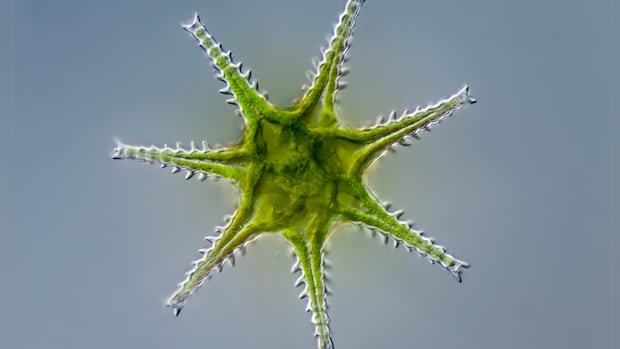

In a regrown forest or restored wetland, the outward appearance of lush greenery and wildlife activity can be deceiving. However, upon closer examination, scientists have discovered that some of the smallest inhabitants, such as mosses, lichens, algae, and fungi, are often missing from these rejuvenated ecosystems.
While habitat restoration efforts can aid in saving declining species and promoting their recovery, recent research indicates that not all species return at the same pace. The tiniest and least noticeable residents may remain scarce or absent for extended periods, potentially impacting other species within the ecosystem.
Ellen Macdonald, a botanist from the University of Alberta, has dedicated her career to studying the intricate world of forests, focusing not on the towering trees but on the delicate flowers, mosses, liverworts, and lichens that thrive in their shadows and on their surfaces. Macdonald emphasizes that the diversity of these smaller species far surpasses that of tree species.
Macdonald’s research, combined with global data, sheds light on the slow recovery process of plants and animals in boreal forests post-clearcutting. The study, recently featured in the journal Nature Sustainability, reveals that birch and aspen forests show signs of recovery within 25 years, while conifer forests require much longer. In conifer forests, understory plants like lichens, mosses, and liverworts can take 85 years or more to return, with some species failing to reestablish even after a century.
Similar patterns of missing species have been observed in wetlands and other restored habitats, where certain less visible species remain absent despite the apparent health of the ecosystem. This phenomenon, termed “dark diversity” by researcher Viktoria Wagner, signifies a silent loss of species from their native habitats, potentially impacting the overall biodiversity of the ecosystem.
The absence of these smaller species can have long-term repercussions, affecting oxygen availability, food chains, and ecosystem stability. Maintaining biodiversity is crucial as each species plays a unique role in the ecosystem, and a decline in diversity can have cascading effects on other species.
Understanding these recovery patterns can guide landscape managers in implementing strategies that preserve a wider array of species. Selective harvesting in conifer forests, for example, could help protect the delicate understory plants that rely on shade and mature trees for survival.
In addition to land habitats, the preservation of algal habitats is also critical, as these often overlooked species play a significant role in global photosynthesis and ecosystem health. Efforts to collect and preserve diverse algal strains are underway to safeguard these vital species for future generations.
The ongoing loss of species underscores the necessity of proactive conservation measures to maintain biodiversity across landscapes. Protecting isolated pockets of habitat is not enough; continuous efforts are required to restore and preserve sufficient habitat for diverse species to thrive and persist in the changing environment.