

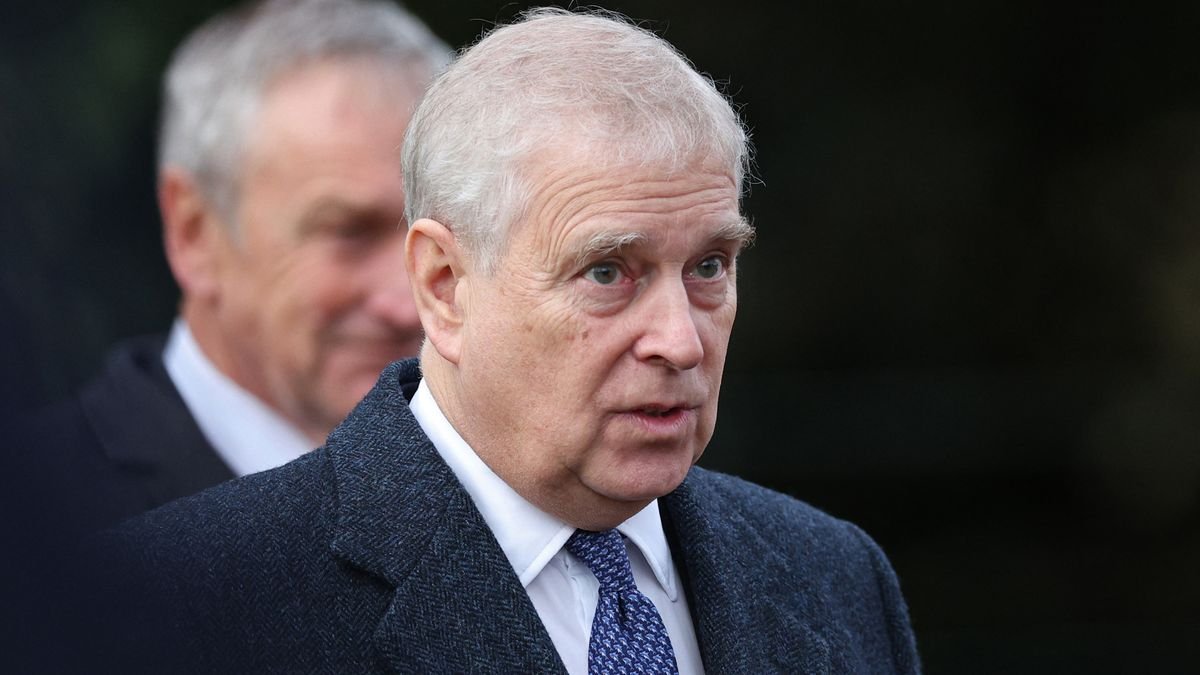

The recent release of the Epstein files was intended to bring about a moment of accountability but has instead resulted in further disappointment. Despite new revelations about Andrew Mountbatten Windsor’s association with Jeffrey Epstein, calls for his testimony before the US Congress remain unanswered as he asserts that he has already faced sufficient consequences. Stripped of his royal titles and duties, Andrew now sees himself as a victim of excessive punishment, emphasizing the disparity in how justice is perceived between the elite and the general public.
The US Justice Department’s disclosure of over three million documents related to Epstein has failed to quell public suspicion, with survivors feeling that once again, powerful individuals are shielded from scrutiny. The documents reveal ongoing connections between Epstein and influential figures, highlighting how those with wealth and power often evade accountability. Despite the involvement of prominent figures like Bill Gates, Elon Musk, Peter Thiel, and Donald Trump in the Epstein saga, none have been compelled to provide detailed explanations or face public questioning.
Survivors of Epstein’s abuse have expressed disappointment that the released documents have not led to the exposure of all enablers, emphasizing that transparency without consequences does not equate to true justice. While Epstein, Jean-Luc Brunel, and Ghislaine Maxwell may have faced some form of accountability, the broader system appears to protect those who maintained relationships with them.
The Epstein files were expected to bring closure to a dark chapter of abuse but instead highlight the pervasive influence of power in bending the rules of justice. For the wealthy and influential, scrutiny is a challenge to be managed rather than endured, perpetuating a cycle where the law often looks away when confronted with crimes intersecting with power dynamics.