

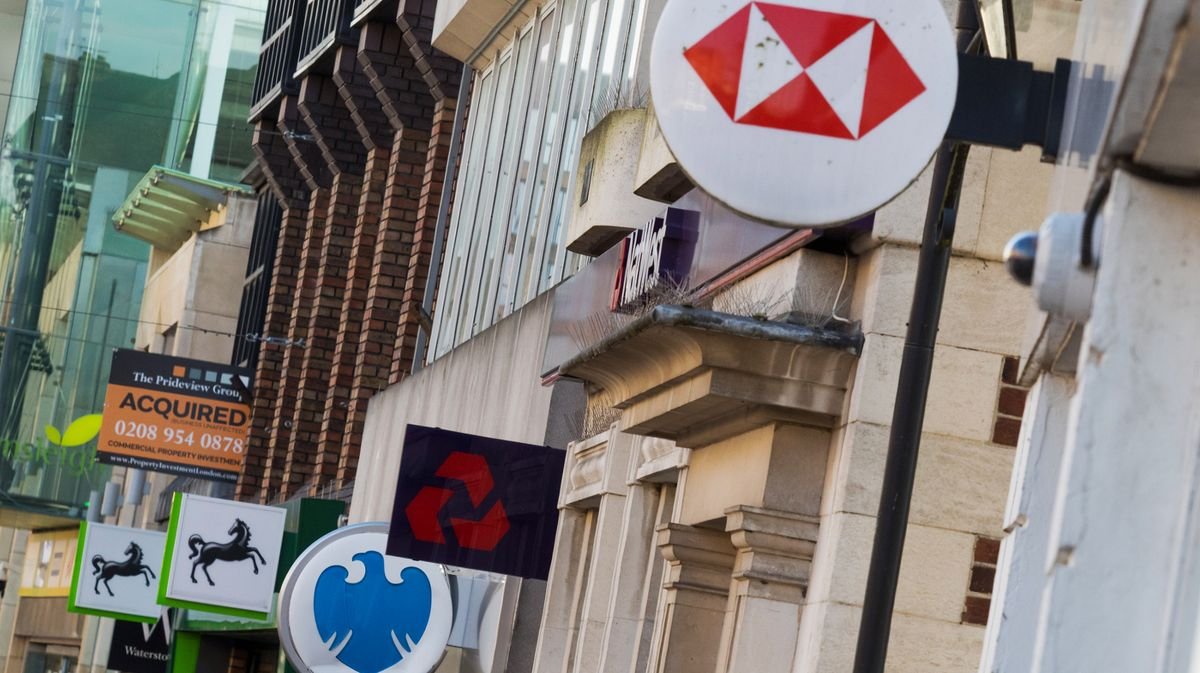

More than 100 bank branches are scheduled for closure in 2026 as the trend of moving away from traditional high street banking accelerates.
This year, closure dates have been confirmed for 73 branches of major banks like Lloyds, NatWest, Santander, Halifax, and Bank of Scotland. An additional 29 branches have announced closure plans without finalizing the dates, totaling 102 closures. Lloyds leads with 40 branches nearing closure or awaiting confirmation.
The upcoming closures include 18 Santander branches, 17 Bank of Scotland branches, 15 Halifax branches, and seven NatWest branches. The shift towards mobile banking services has been cited as the reason for the closures by Lloyds and Santander.
By the end of this month, 35 branches will have closed, with two more in February and an additional 23 in March. The remaining closures are scheduled for July and October or are pending confirmation. Cornwall is the most affected by the closures, with four set to close this year and two without a fixed closure date.
In the past years, there have been several branch closures, resulting in a total loss of 45 banks. Scotland’s Highland council area is also expected to lose six banks this year, with more closures planned in Wales, Northern Ireland, and various regions of England.
Since February 2022, over 2,000 branches have either closed or announced closure plans as part of a voluntary agreement by major banking groups to assess the impact of each closure.
The LINK initiative ensures that communities left without local banks have access to banking hubs or free ATMs. Digital banking and cashless payments have led to the closure of bank branches, but LINK continues to monitor the impact and provide necessary cash services. Banking hubs are increasingly opening to serve customers who rely on cash and face-to-face banking services.